If you manage or own a commercial property, hidden moisture can create expensive problems long before you see obvious damage. We’ve seen this in offices, retail units, warehouses, apartment common areas, and mixed-use buildings across Edmonton. What starts as a small leak, condensation issue, or unnoticed seepage can quietly affect drywall, flooring, insulation, ceiling systems, and indoor air quality.
The challenge is that moisture problems are not always dramatic at first. There may be no active dripping water, no major flood, and no immediate shutdown. Instead, the warning signs are usually subtle. If those early signs are ignored, the result can be mould growth, odour issues, material damage, tenant complaints, and more extensive residential and commercial remediation services.
Why Hidden Moisture Is Such a Serious Issue
In commercial buildings, moisture tends to spread behind walls, above ceiling tiles, beneath flooring, and around mechanical systems. It can affect multiple units or workspaces before anyone realizes what is happening. That matters because moisture does not stay a moisture problem for long. It often turns into a mould, odour, or structural materials issue that requires specialized cleaning, controlled removal, and restoration.
In Edmonton, that risk is even more common because of seasonal freeze-thaw cycles, snow and ice buildup, older building assemblies, foundation vulnerabilities, and heavy use of basements and lower-level storage areas. A building may look fine on the surface while damp materials are slowly deteriorating behind it.
7 Signs Your Commercial Building May Have Hidden Moisture
1. Musty or persistent indoor odours
One of the earliest signs is a stale, damp, or musty smell that keeps returning even after routine cleaning. If odours seem stronger in one office, hallway, mechanical room, or storage space, hidden moisture could be feeding mould growth or material breakdown behind the surfaces.
This is where professional assessment matters. Surface cleaning and air fresheners do not solve the source. In many cases, the odour is a symptom of a deeper issue that may also require mould removal services or residential commercial odour control.
2. Stained ceiling tiles or discoloured walls
Brown rings, yellowing, bubbling paint, and patchy discoloration often point to water intrusion from above or behind. In commercial spaces, this may come from roof leaks, plumbing lines, HVAC condensation, or water tracking from upper floors.
Even if the area feels dry when you touch it, the staining tells you moisture was present. We often find that what appears to be a small cosmetic issue is actually part of a larger moisture pathway that has not been corrected.
3. Warped flooring or lifting baseboards
Moisture often shows up at floor level before people connect it to a bigger building problem. Vinyl may start to curl, laminate may lift, carpet may stay damp longer than usual, and baseboards can swell or pull away from the wall.
These signs are especially important in commercial units with washrooms, kitchens, janitorial rooms, entryways, or slab-on-grade construction. Water can migrate under finished materials and remain trapped. At that stage, drying alone may not be enough, and some level of flood & water damage restoration services may be needed.
4. Repeated tenant or staff complaints about air quality
If occupants are reporting stuffy air, damp smells, irritation, or discomfort in one specific part of the building, hidden moisture should be on your list of possible causes. That does not automatically mean there is mould, but it does mean the building should be checked properly.
Commercial properties depend on safe, functional indoor environments. Waiting too long can make the issue more disruptive and more expensive to correct. A prompt inspection can help you determine whether the problem is a leak, humidity issue, HVAC-related moisture, or contamination in porous materials.
5. Condensation that seems excessive or ongoing
Some condensation is normal in certain seasons, but recurring moisture on windows, pipes, cooler surfaces, or uninsulated building components can signal a bigger humidity or ventilation problem. In commercial buildings, that excess moisture can feed hidden damage in wall cavities, ceiling spaces, and storage rooms.
If condensation is regular rather than occasional, it is worth looking beyond the visible droplets. The real issue may be poor airflow, unbalanced indoor humidity, or a concealed water source.
6. Mould appearing in small, repeated spots
When mould keeps returning after being wiped away, the moisture source has not been resolved. This is common around window perimeters, utility rooms, behind shelving, near foundation walls, and around plumbing penetrations.
A recurring patch is not just a cleaning problem. It is a signal that water or humidity is persisting in the area. In those cases, professional mould remediation services for foundation cracks or broader mould removal services may be required, depending on where the moisture is coming from.
7. Damage near mechanical rooms, utility areas, or low-traffic spaces
Some of the worst hidden moisture problems develop in areas that do not get much daily attention. Mechanical rooms, utility closets, basements, crawlspaces, storage areas, and back-of-house spaces are common examples. Small leaks can continue for weeks or months before someone notices stained insulation, damp materials, or microbial growth.
That is why routine checks in these areas are so important for property managers and commercial owners.
Where hidden moisture usually starts
In our experience, commercial moisture issues often begin in a few predictable places:
- Roofing and flashing failures
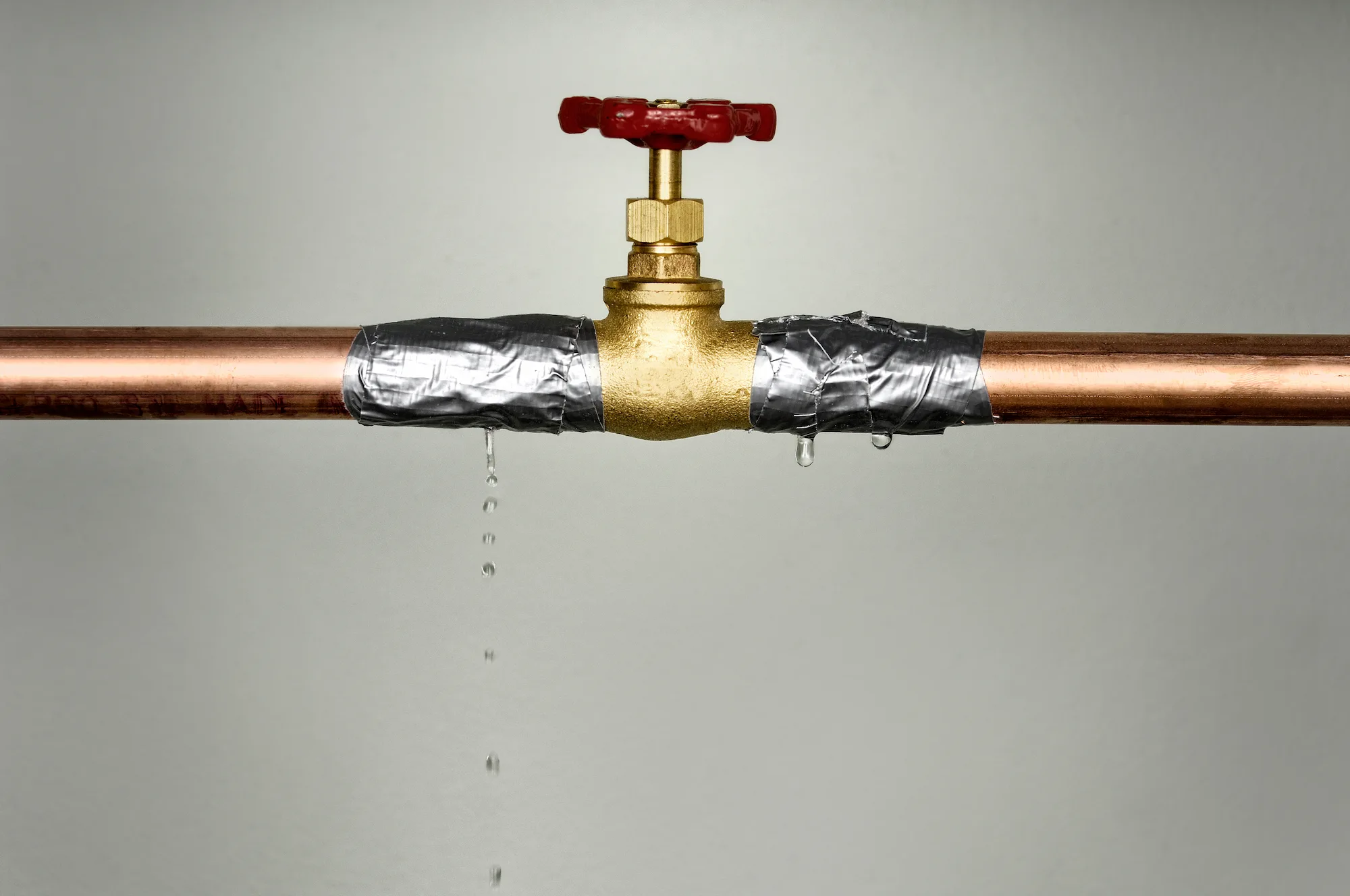
- Plumbing leaks inside walls or ceilings
- Poor drainage around the building envelope
- Foundation seepage
- HVAC condensation or drainage problems
- Washrooms, kitchens, and janitorial spaces
- Previous water damage that was never dried or removed properly
Sometimes a property has already had cleanup work done, but the full source was not addressed. That is when moisture keeps returning and the same area continues to fail.
What to do if you suspect a moisture problem
The first step is not to cover it up. Repainting stains, replacing a ceiling tile, or deodorizing the space may make the problem less visible, but it will not solve it.
Instead, take a practical approach:
Document the signs
Note where the issue is appearing, how long it has been happening, and whether it changes after rain, snowmelt, or heavy building use.
Check for patterns
Look at whether the odour, staining, or dampness is isolated to one area or affecting multiple spaces.
Limit disturbance
Avoid opening walls or removing materials without a plan, especially if mould or other hazards may be present.
Bring in professionals
A proper assessment helps determine whether the building needs drying, material removal, cleaning, odour treatment, or full construction restoration cleaning.
Why Professional Handling Matters
Commercial buildings have more moving parts than most people realize. Shared walls, tenant occupancy, HVAC systems, maintenance schedules, and business interruption all make moisture issues more complex. The right response is not just about drying visible water. It is about identifying the source, preventing cross-contamination, protecting occupants, and restoring affected areas correctly.
At Grimebusters, we provide comprehensive residential and commercial cleaning services, remediation, odour control, and restoration support for properties dealing with hidden moisture and related damage. When needed, we can also coordinate demolition and reconstruction as part of a full-service response.
Final Thoughts
A hidden moisture problem rarely stays hidden forever. Usually, the building starts giving warnings first, through odours, staining, warped materials, recurring mould, or occupant complaints. The earlier you act, the better your chances of limiting damage, controlling costs, and protecting your property.
If your commercial building is showing any of these signs, contact our team through our contact page or learn more about our flood & water damage restoration services and mould removal services. We’re available to help property owners and managers across Edmonton and surrounding communities assess the issue and respond the right way.