Water damage restoration timelines can vary quite a bit from one property to another. In some cases, drying and cleanup may take only a few days. In more serious situations, full restoration can take several weeks, especially when materials need to be removed, contamination is involved, or reconstruction is required.
At Grimebusters, one of the first questions we hear after a flood, leak, or sewage backup is simple: how long is this going to take?
That’s a fair question. When your home or building has been affected by water, you want to know how quickly the damage can be stabilized, how long drying will take, and when life can return to normal. The answer depends on the source of the water, how far it spread, how long it sat, and what materials were affected. It also depends on whether the job is limited to drying and cleanup, or whether it turns into a larger property remediation and disaster restoration project.
In this guide, we’ll walk through the typical timeline for professional water damage restoration, what can slow the process down, and why acting quickly makes such a big difference.
The Short Answer
Most professional water damage restoration projects take 3 to 7 days for drying, with repairs or reconstruction adding anywhere from several days to several weeks.
A smaller, clean water loss from a broken supply line may be resolved relatively quickly. A major basement flood, sewage backup, or long-hidden leak behind walls can take much longer.
That’s why it’s important to separate the process into stages.
The main stages of water damage restoration
Water damage restoration is not just one step. It’s a sequence of work designed to protect the property, prevent further damage, and restore safe conditions.
1. Emergency response and inspection: a few hours to 1 day
The first stage is emergency response. This includes assessing the damage, identifying the water source, determining the category of water involved, and building a restoration plan.
At this point, we look at questions like:
- Is the water still entering the property?
- Is the affected water clean, grey, or black water?
- How many rooms or levels are affected?
- Have walls, insulation, flooring, or contents absorbed moisture?
- Is there an immediate safety issue?
For Edmonton homes and commercial properties, speed matters. Water can move quickly into subfloors, drywall, trim, insulation, and basement materials. In winter, frozen pipes and sudden thaws can make the initial damage even more complicated. If you are dealing with an urgent issue, our team handles water damage and flood restoration as part of our emergency response services.
2. Water extraction, cleaning & disinfecting: several hours to 1 day
If standing water is present, extraction usually happens right away. The time required depends on the depth of the water, the size of the affected area, and whether the property has obstacles, finished basement materials, or contents that must be moved first.
For a small affected area, extraction may be completed the same day. For a larger basement flood or multi-room loss, it can take longer. This includes disinfecting affected surfaces and detailed cleaning of salvageable materials.
Extraction is one of the most important parts of the job because the faster bulk water is removed, the faster the drying process can begin.
3. Removal of damaged materials, if needed: 1 to 3 days
Not every project requires demolition, but many do. Water-damaged drywall, soaked insulation, swollen laminate, contaminated carpet underlay, and compromised baseboards may need to be removed.
This stage can add time, but it often saves time overall. Leaving saturated materials in place can trap moisture and delay drying. In category 2 or category 3 losses, removal may also be necessary for health and safety reasons.
If the damage is severe, the project may move beyond basic drying into a broader restoration and reconstruction scope.
4. Drying and dehumidification: 3 to 7 days on average
This is the stage that most people are really asking about when they want to know how long water damage restoration takes.
Professional drying usually takes 3 to 7 days, but some jobs take longer.
Specialized air movers, dehumidifiers, and monitoring equipment are used to bring moisture levels down safely and thoroughly. Materials are checked regularly to confirm progress. Drying is not guesswork. It needs to be measured and documented.
A few things can extend the drying timeline:
- water that sat for too long before cleanup began
- moisture trapped behind walls or under flooring
- high humidity conditions
- dense materials like wood framing or plaster
- hidden moisture in finished basements
- large affected areas across several rooms or floors
This is also where delays can create secondary problems. If moisture is not removed correctly, mould can begin growing quickly. We’ve covered that risk in our post on when you should repair water damage to prevent mould.
5. Repairs and reconstruction: several days to several weeks
Once the area is dry, clean, and cleared for repairs, reconstruction can begin. This may include replacing drywall, reinstalling trim, painting, rebuilding affected sections, or restoring flooring and fixtures.
This is often the longest part of the overall project, not because drying takes that long, but because rebuilding takes time.
For minor water damage, repairs may be simple. For major losses affecting basements, bathrooms, kitchens, or commercial units, reconstruction can stretch the timeline significantly.
What Affects The Restoration Timeline?
No two water losses are exactly alike. Here are the biggest factors that influence how long restoration takes.
1. The source of the water
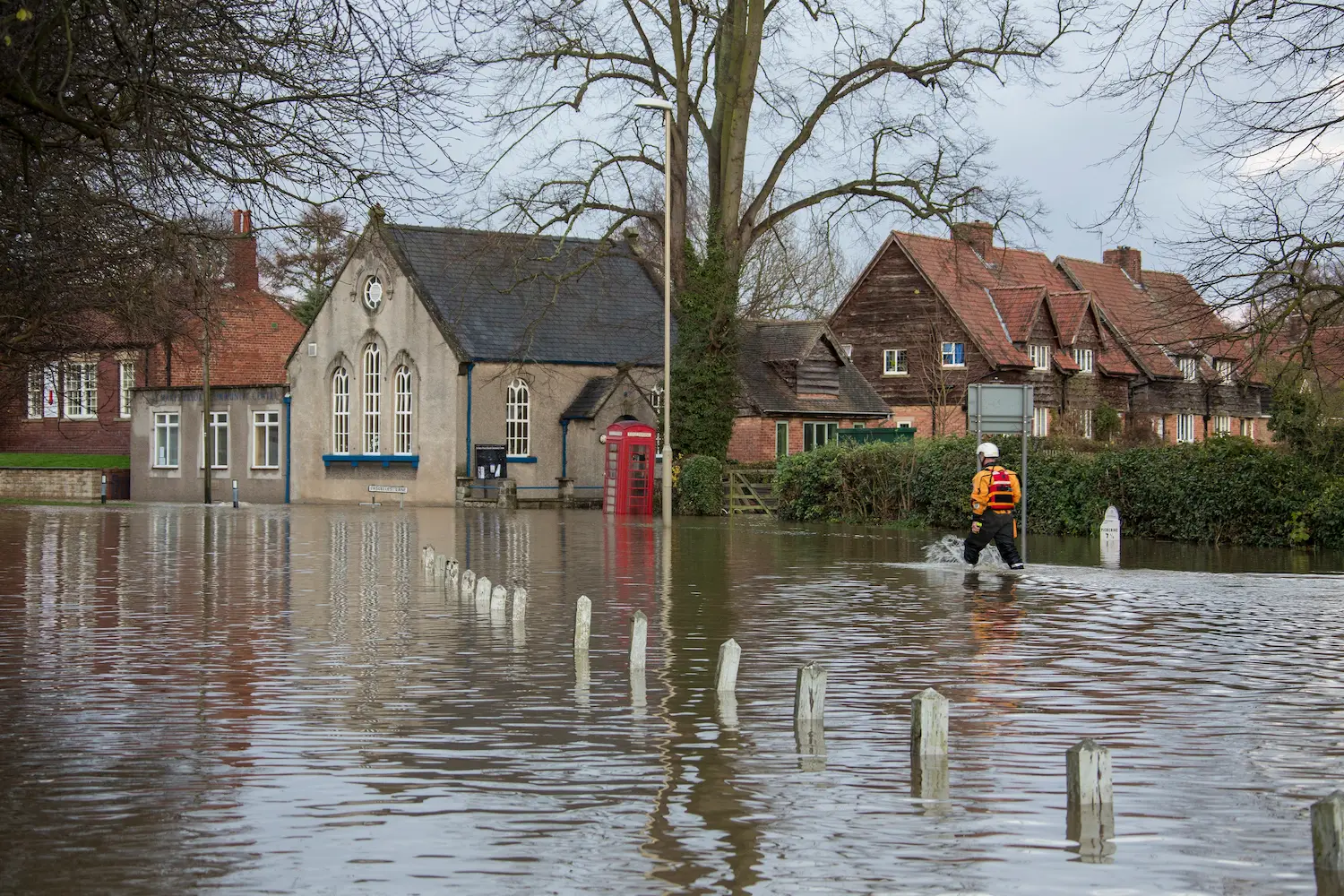
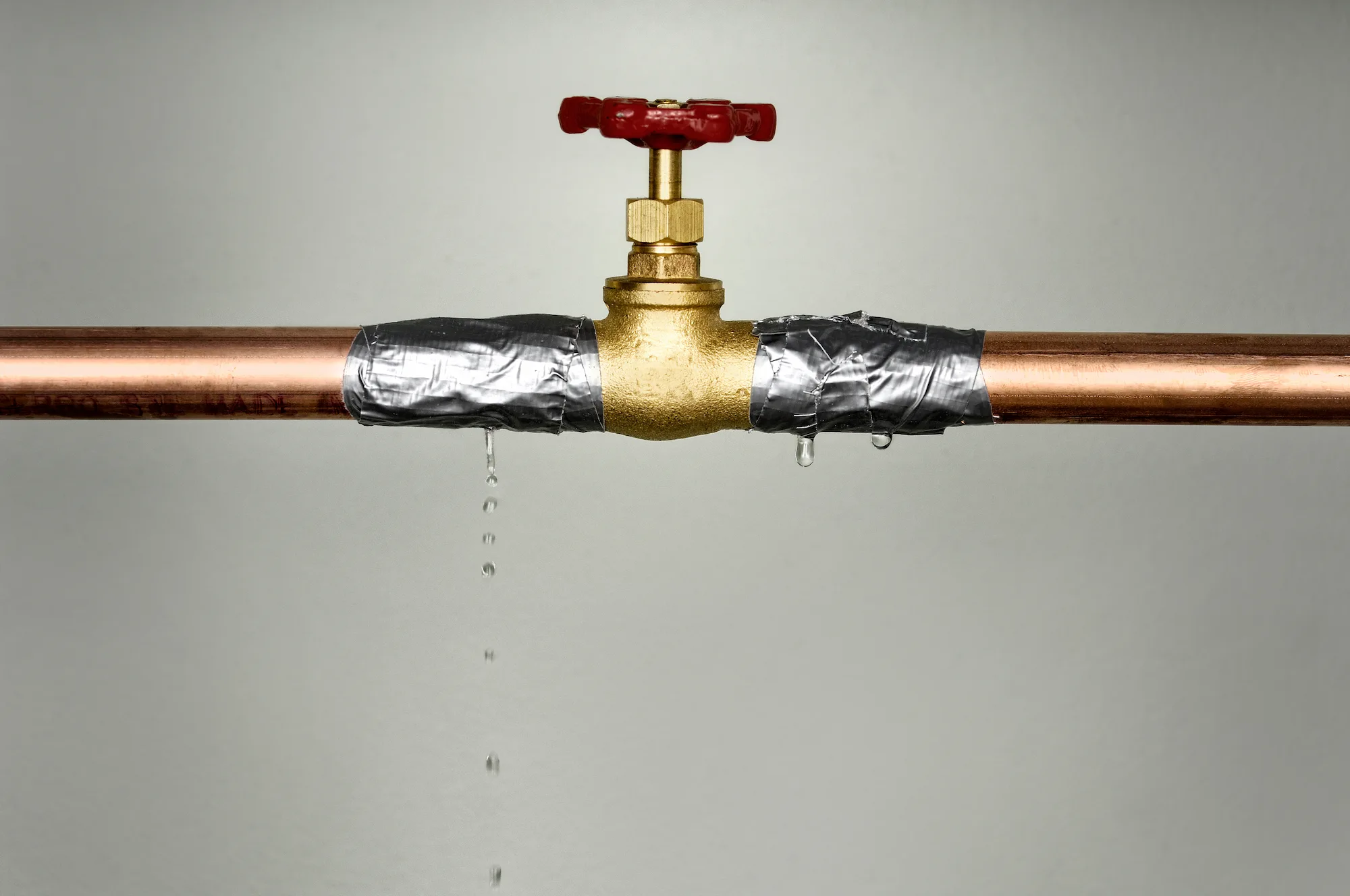
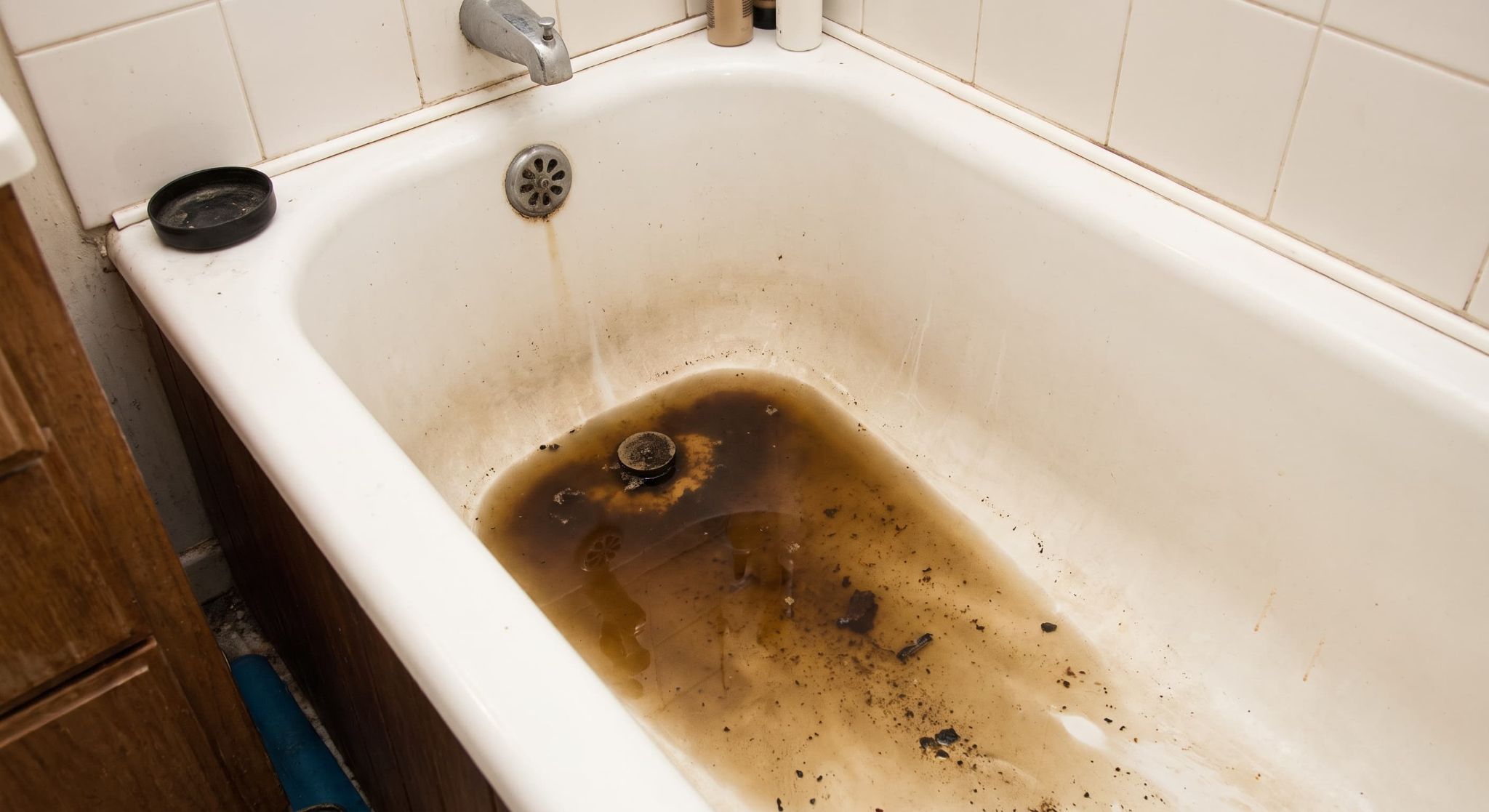
A small clean-water leak from a supply line is different from a sewage backup or storm-related flooding. Contaminated water losses usually require more material removal, more safety controls, and more cleaning.
If you want to understand how professionals classify these situations, our article on how to identify the 3 categories of water damage in Edmonton is a good place to start.
2. How long the water sat
The longer water remains in the property, the more it spreads and the deeper it penetrates into materials. A problem addressed within hours is often much simpler than one discovered days later.
That delay can also increase the risk of microbial growth, odours, and material breakdown.
3. The size of the affected area
One room is very different from an entire basement or multiple units in a building. Large losses need more equipment, more monitoring, more labour, and sometimes phased restoration.
4. The materials involved
Some materials dry relatively well. Others do not. Carpet, drywall, insulation, laminate flooring, particleboard cabinets, and ceiling materials often respond very differently to water exposure.
Finished basements in Edmonton homes can be especially time-consuming because water often reaches:
- drywall behind baseboards
- subfloors under finished flooring
- insulation behind walls
- storage contents and furniture
- utility rooms and hidden corners
Our post on 5 common issues found in basements and how we help goes into some of the common problems we see locally.
5. Hidden moisture
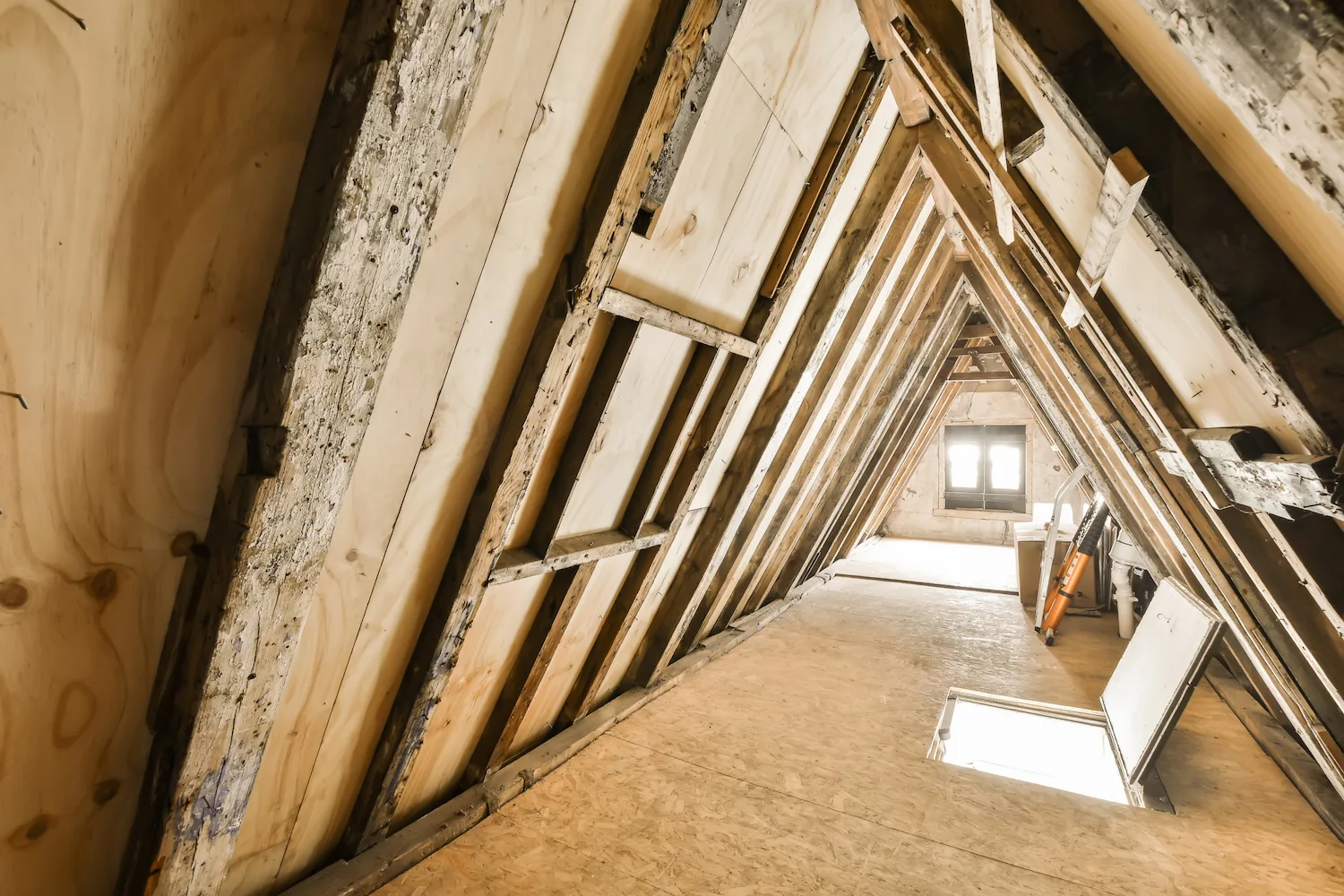
Some of the most time-consuming jobs are not the ones with the most visible water. They’re the ones where moisture has moved behind walls, under flooring, or into cavities you can’t easily see.
That’s why professional inspection and moisture mapping matter. Water damage that looks minor on the surface can become much more involved once the full extent is identified.
6. Whether mould has started to develop
If the water issue was not addressed quickly enough, mould remediation may become part of the job. At that point, the timeline changes because containment, safe removal, and more detailed cleaning may be required.
If there are signs of hidden dampness after a loss, it’s worth reviewing our article on signs your commercial building has a hidden moisture problem or learning more about our mould restoration services.
A Realistic Timeline
Here’s what a fairly typical residential water damage project might look like:
Day 1
- emergency call
- inspection and moisture assessment
- water extraction
- removal of unsalvageable materials if needed
- setup of drying equipment
Days 2 to 4
- active drying and dehumidification
- moisture monitoring
- adjustment of equipment as materials dry
Days 5 to 7
- final drying checks
- cleaning and sanitizing
- planning for repairs
Week 2 and beyond
- drywall replacement
- trim, paint, or flooring work
- reconstruction and finishing
That said, a small clean-water job may move faster, and a sewage backup or major basement flood may take much longer.
Why Quick Action Matters
The biggest variable you can control is how quickly professional restoration begins.
The sooner water is extracted and drying starts, the more likely it is that:
- materials can be saved
- damage stays contained
- mould is avoided
- odours are reduced
- reconstruction needs stay smaller
- overall cost and downtime stay lower
We often remind clients that water damage is one of those problems that rarely improves with time. Waiting usually means more spread, more absorbed moisture, and more restoration work.
If you are dealing with active flooding or recent water intrusion, it helps to review how to handle emergency water damage in Edmonton homes and businesses as soon as possible.
Can You Stay During Restoration?
Sometimes yes, sometimes no.
For smaller losses, you may be able to remain in the property while drying equipment runs. For larger jobs, especially ones involving contamination, demolition, or affected kitchens and bathrooms, temporary relocation may make more sense.
Commercial properties may also need phased work to reduce disruption, depending on the extent of damage and the type of business.
What Should You Do While Waiting For Restoration Professionals?
If it is safe to do so:
- stop the water source if possible
- avoid contact with contaminated water
- move valuables away from affected areas
- keep people and pets out of unsafe spaces
- do not use household fans to spread contaminated moisture
- do not assume surfaces are dry just because they feel dry
DIY cleanup can sometimes make the situation worse, especially when water is contaminated or moisture is trapped inside materials.
Why Professional Drying Is Different From Basic Cleanup
A lot of people understandably think the job is done once the visible water is gone. In reality, that’s only the beginning.
Professional restoration focuses on what cannot be seen easily: moisture in framing, subfloors, insulation, and hidden cavities. Without proper drying and verification, the property may look fine while damage continues behind the scenes.
That’s why our team approaches every loss with a full restoration mindset, not just a surface cleaning approach. Whether the project needs emergency extraction, controlled demolition, specialty cleaning, or full rebuild support, we handle the work with safety, care, and clear communication.
Final Thoughts
So, how long does water damage restoration take?
In most cases, the drying phase takes 3 to 7 days, while full restoration can range from a few days to several weeks, depending on the extent of damage and whether reconstruction is needed.
The most important thing is not chasing a one-size-fits-all timeline. It’s getting the property assessed properly, stopping further damage, and making sure the work is done thoroughly from the start.
If your home, rental property, or commercial space has been affected by water, contact Grimebusters for professional advice, a written quote, or emergency response.