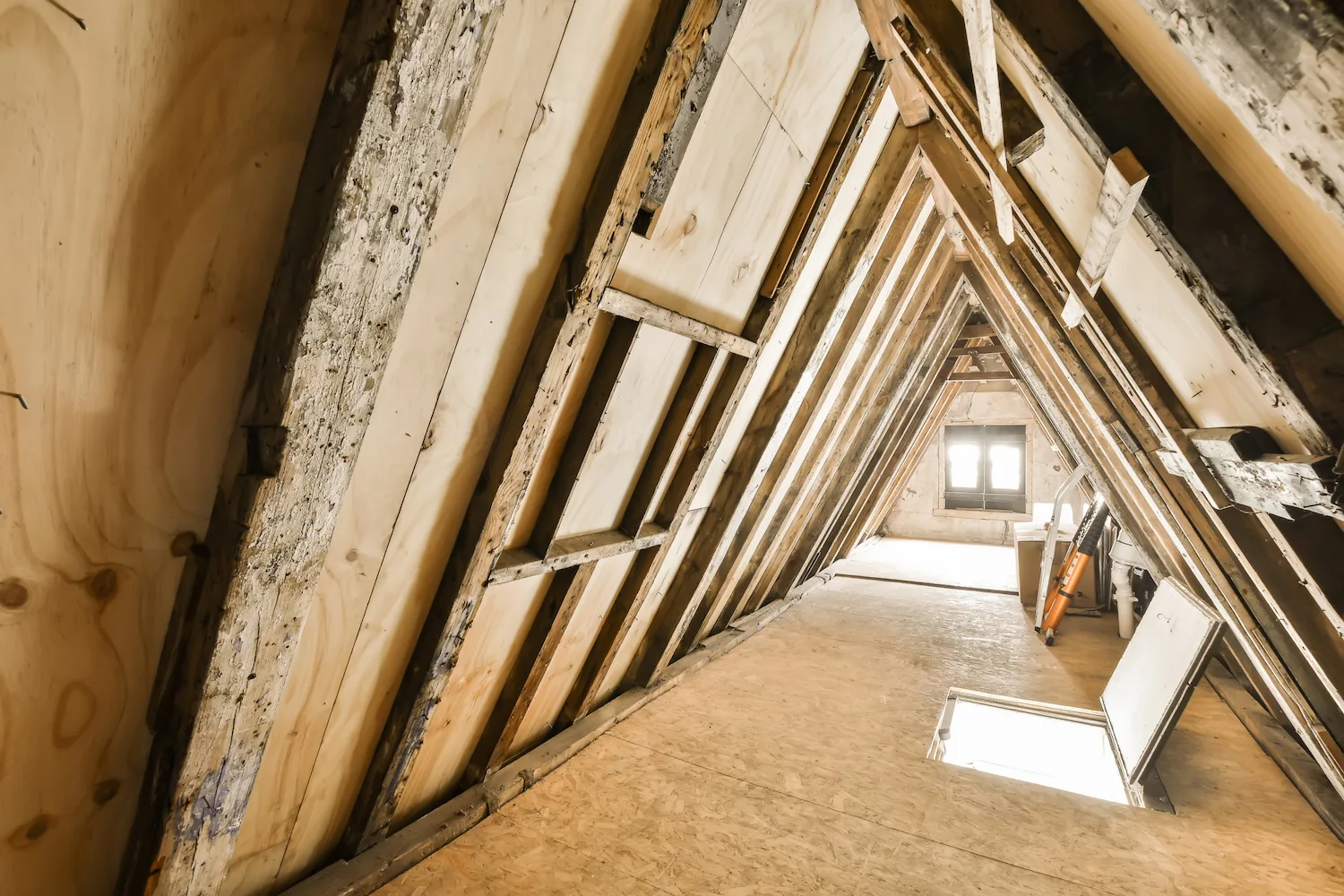
Crawl spaces are easy to ignore because they’re usually out of sight, awkward to access, and not part of daily living space. But what happens below your floors can affect the health, comfort, and safety of the entire property.
Across Edmonton and surrounding communities, we often see crawl spaces affected by moisture, mould, pests, poor ventilation, damaged insulation, and hidden contamination. These problems can build slowly, especially in older homes, rental properties, commercial buildings, and properties with past water issues.
At Grimebusters, we’ve been helping Edmonton property owners with difficult cleaning, remediation, restoration, and reconstruction work since 1994. When crawl spaces become unsafe, we approach them carefully, with proper assessment, containment, protective equipment, and a clear plan.
Why Crawl Spaces Are Easy To Overlook
A crawl space may only be checked during renovations, inspections, plumbing repairs, pest concerns, or after a musty odour appears indoors. That delay gives small problems time to grow.
Crawl spaces are vulnerable because they often have:
- Limited airflow
- Exposed soil or concrete
- Plumbing lines
- Foundation cracks
- Older insulation
- Access points for pests
- Cool surfaces where condensation can form
- Hidden areas where water can collect
In Edmonton, seasonal freeze-thaw cycles, spring melt, heavy rain, and winter condensation can all add stress to low areas of a building. If moisture gets in and doesn’t dry properly, crawl spaces can quickly become a source of indoor air quality concerns.
Moisture Is Usually The First Warning Sign
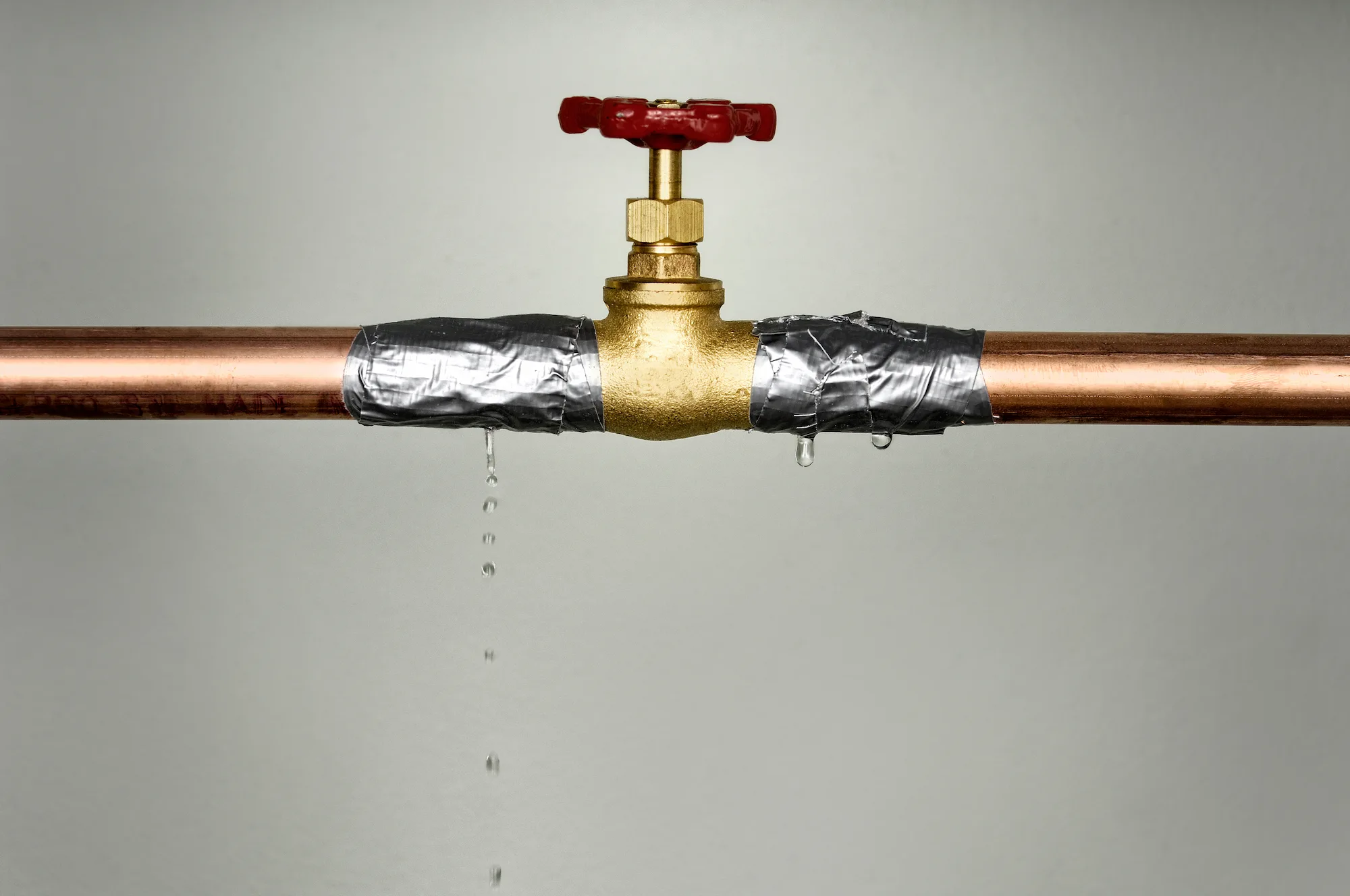
Most crawl space problems start with moisture. It may come from foundation seepage, plumbing leaks, poor grading, blocked drainage, sump pump issues, or humid air condensing on cold surfaces.
Health Canada notes that high humidity, leaks, water infiltration, and flooding can contribute to mould growth indoors, and recommends fixing moisture problems promptly while controlling humidity levels. Their guidance also notes that damp areas like basements can create conditions for biological pollutants such as mould, bacteria, and fungi.
In practical terms, that means a wet crawl space shouldn’t be treated as a minor housekeeping issue. Moisture can affect wood framing, insulation, drywall above, flooring, stored contents, and indoor air.
If you’ve had water intrusion, our Water Damage And Flood Restoration team can assess the source, remove affected materials where needed, and help restore safer conditions.
Mould Can Spread Before You See It
Crawl spaces often provide the conditions mould needs: moisture, organic material, and limited airflow. Wood framing, paper-faced insulation, cardboard, dust, and debris can all support growth when dampness is present.
You may not see mould from the main living area, but you might notice:
- Musty odours
- Increased allergy-like symptoms indoors
- Discoloured wood or insulation
- Damp or sagging insulation
- Condensation near vents or pipes
- Staining on flooring above
- Recurring odours after cleaning
The challenge is that crawl space mould is often hidden in joist cavities, insulation, subflooring, and tight corners. Cleaning visible surfaces without correcting moisture usually leads to recurring problems.
For more on moisture and mould prevention, see our blog on when to repair water damage to prevent mould. If mould is suspected, our Mould Remediation In Edmonton service can help identify affected materials, contain the area, and complete remediation safely.
Pest Activity Can Create Biohazard Concerns
Crawl spaces can attract mice, rats, insects, birds, and other pests because they’re quiet, sheltered, and sometimes warm. Once pests enter, the concern isn’t only the animals themselves. The bigger issue is what they leave behind.
Pest-affected crawl spaces may contain:
- Droppings
- Nesting materials
- Urine contamination
- Damaged insulation
- Chewed wiring or materials
- Strong odours
- Deceased animals
- Contaminated debris
These materials can create health risks and shouldn’t be disturbed without proper protection. Sweeping, vacuuming with a household vacuum, or pulling out contaminated insulation can spread particles into the air.
We cover this concern in more detail in our blog, Can You Clean Mouse Droppings Yourself?. For spaces affected by biological contamination, our Biohazard And Trauma Cleanup technicians use proper containment, personal protective equipment, removal procedures, and disinfection methods.
Odours Can Travel Into Living Areas
Crawl space odours don’t always stay below the floor. Air can move through gaps around plumbing, ductwork, framing, vents, and access panels. When the crawl space is damp, contaminated, or pest-affected, odours may move into bedrooms, kitchens, offices, basements, and shared spaces.
Common crawl space odours may come from:
- Mould or mildew
- Wet insulation
- Standing water
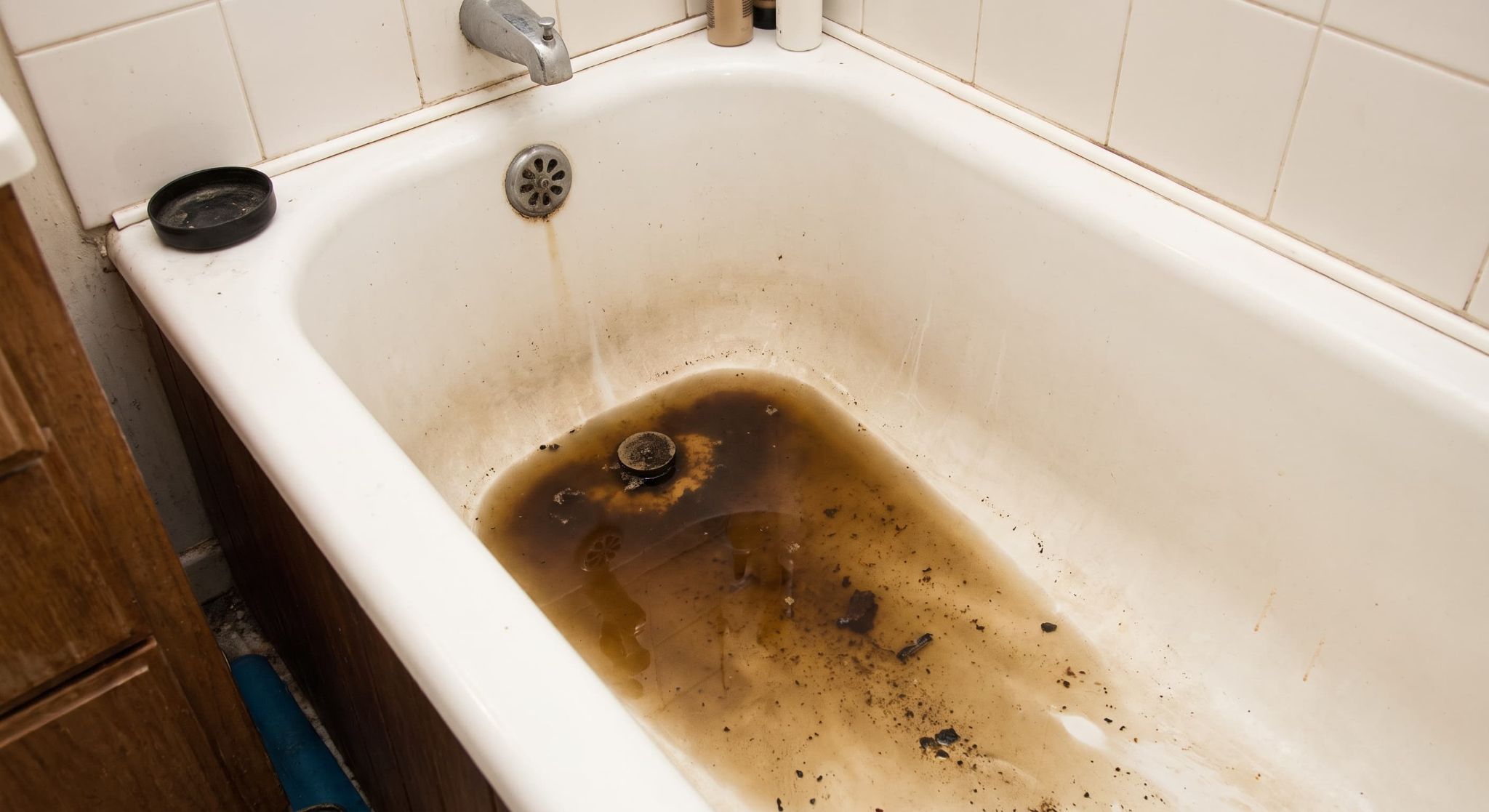
- Sewage backups
- Animal contamination
- Damp soil
- Decomposing organic material
- Smoke or chemical residue from past use
Air fresheners and surface cleaning won’t resolve odours coming from below the building. The source has to be found and addressed. Our Cleaning Services In Edmonton and odour control work often begins with identifying whether the issue is moisture, contamination, debris, or damaged building materials.
For related odour guidance, you may find our blog on how to remove pet odours properly before selling a home helpful, as many of the same source-removal principles apply.
Older Crawl Spaces May Contain Hazardous Materials
Many Edmonton homes and commercial properties have older building materials. In crawl spaces, that can include insulation, pipe wrap, flooring materials, adhesives, vermiculite insulation, or other materials that may require testing before removal.
Asbestos is not something to guess at. If suspect material is damaged or disturbed, fibres may become airborne. Before demolition, insulation removal, plumbing access, or renovation work, older materials should be assessed properly.
Our Asbestos Abatement team can help determine safe next steps. You can also read our blog on how to test for asbestos if you’re unsure what testing involves.
Poor Ventilation Can Make Problems Worse
Crawl spaces need proper moisture control and airflow. When ventilation is poor, humidity can build up and linger. In winter, warm indoor air may meet cold crawl space surfaces and create condensation. In warmer months, humid outdoor air can also create moisture issues if the crawl space isn’t properly managed.
Poor ventilation can contribute to:
- Condensation on pipes and framing
- Musty smells
- Mould growth
- Damp insulation
- Wood deterioration
- Uncomfortable indoor conditions
The right solution depends on the building. Sometimes the answer involves sealing, drying, insulation changes, drainage improvements, vapour barriers, removal of contaminated material, or reconstruction. Because every crawl space is different, we assess the conditions before recommending work.
Signs Your Crawl Space Needs Professional Attention
You don’t need to enter a crawl space to know something may be wrong. In fact, if you suspect contamination, mould, pests, sewage, or damaged asbestos-containing materials, it’s safer not to disturb the area.
Watch for these signs:
- Musty or unusual odours indoors
- Soft or uneven flooring
- Higher humidity inside the property
- Visible mould near vents or access points
- Pest noises or droppings nearby
- Water stains or damp areas
- Cold floors and damaged insulation
- Increased condensation
- Recent flooding or plumbing leaks
- Occupant complaints about air quality
Property managers and landlords should take these concerns seriously, especially in multi-family buildings where crawl space issues can affect more than one unit.
How We Approach Crawl Space Cleanup And Remediation
Crawl space work requires patience, safety planning, and the right equipment. These areas are confined, dirty, and sometimes hazardous. Our technicians don’t rush into a hidden space without first considering what may be present.
Depending on the condition of the crawl space, our process may include:
- Assessment And Documentation
We inspect visible conditions, identify likely moisture or contamination sources, and document what needs attention. - Containment And Safety Controls
When needed, we use containment methods, protective equipment, and safe work procedures to reduce cross-contamination. - Removal Of Affected Materials
This may include contaminated insulation, debris, damaged contents, pest-affected material, or water-damaged building components. - Cleaning, Disinfection, And Odour Control
We clean affected areas using professional methods suited to the risk level. - Drying, Remediation, Or Reconstruction
If the crawl space has structural, moisture, or material damage, our team can coordinate next steps through Restoration And Reconstruction. - Prevention Guidance
We help you understand what may reduce the chance of the problem returning, such as drainage improvements, repairs, moisture control, or access changes.
Why DIY Crawl Space Cleanup Can Be Risky
A crawl space may look like a dirty storage area, but it can hide hazards that require professional handling. Disturbing mould, pest waste, sewage-affected material, or suspect insulation can create exposure risks.
DIY cleanup can also miss the root cause. Removing wet insulation won’t solve foundation seepage. Spraying disinfectant won’t remove contamination inside porous materials. Covering odours won’t correct mould or pest activity.
The safest approach is to identify the source, contain the risk, remove affected materials properly, and restore the area in a way that supports long-term building health.
Protect Your Home From The Ground Up
Crawl spaces play a bigger role in property health than many people realize. When they’re dry, clean, and properly maintained, they support the safety and comfort of the building above. When they’re damp, contaminated, or neglected, they can quietly create problems that spread into living and working spaces.
If you’re concerned about a crawl space in your Edmonton home, rental property, commercial building, or managed property, we can help you determine the safest next steps. Our family-owned team has supported Edmonton and surrounding communities for over 30 years with cleaning, remediation, restoration, and reconstruction services.For advice, a written quote, or 24/7 emergency support, contact Grimebusters and we’ll help you assess the situation carefully.