A bad smell can seem simple at first. You clean the room, open the windows, spray an air freshener, and the problem appears to be gone.
Then the odour comes back.
Sometimes it returns within hours. In other cases, it seems to disappear for days before becoming noticeable again when the house warms up, the furnace turns on, or humidity increases.
At Grimebusters, we see this regularly. Persistent odours are rarely just an air-quality problem. In many cases, the smell is a warning that the actual source remains somewhere in the property.
Effective odour removal starts by answering one important question: what is producing the smell?
Once we identify that source, we can determine whether the affected materials can be cleaned, treated, removed, or replaced.
Why Cleaning The Air Often Isn’t Enough
Air fresheners, scented cleaners, candles, and deodorizing sprays can temporarily change what you smell. They don’t necessarily remove what is causing the odour.
Think of the smell as a symptom.
If contaminated material remains under flooring, inside drywall, within insulation, beneath cabinets, or in another hidden area, treating the air alone won’t solve the underlying problem.
Professional cleaning services in Edmonton focus on the surfaces, materials, and conditions creating the problem rather than simply covering the smell.
Persistent odours may originate from:
- Smoke and nicotine residue
- Pet urine or other animal contamination
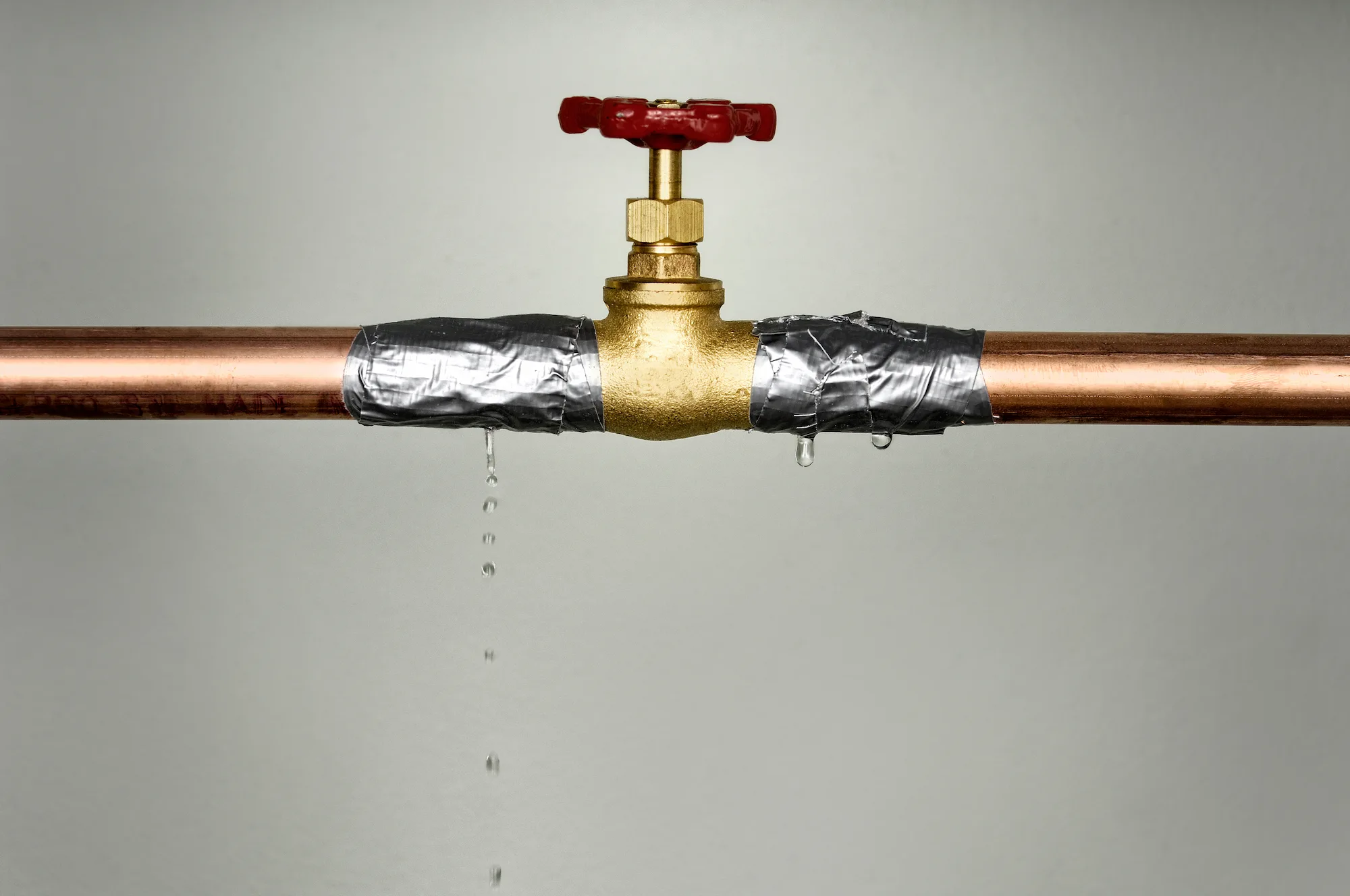
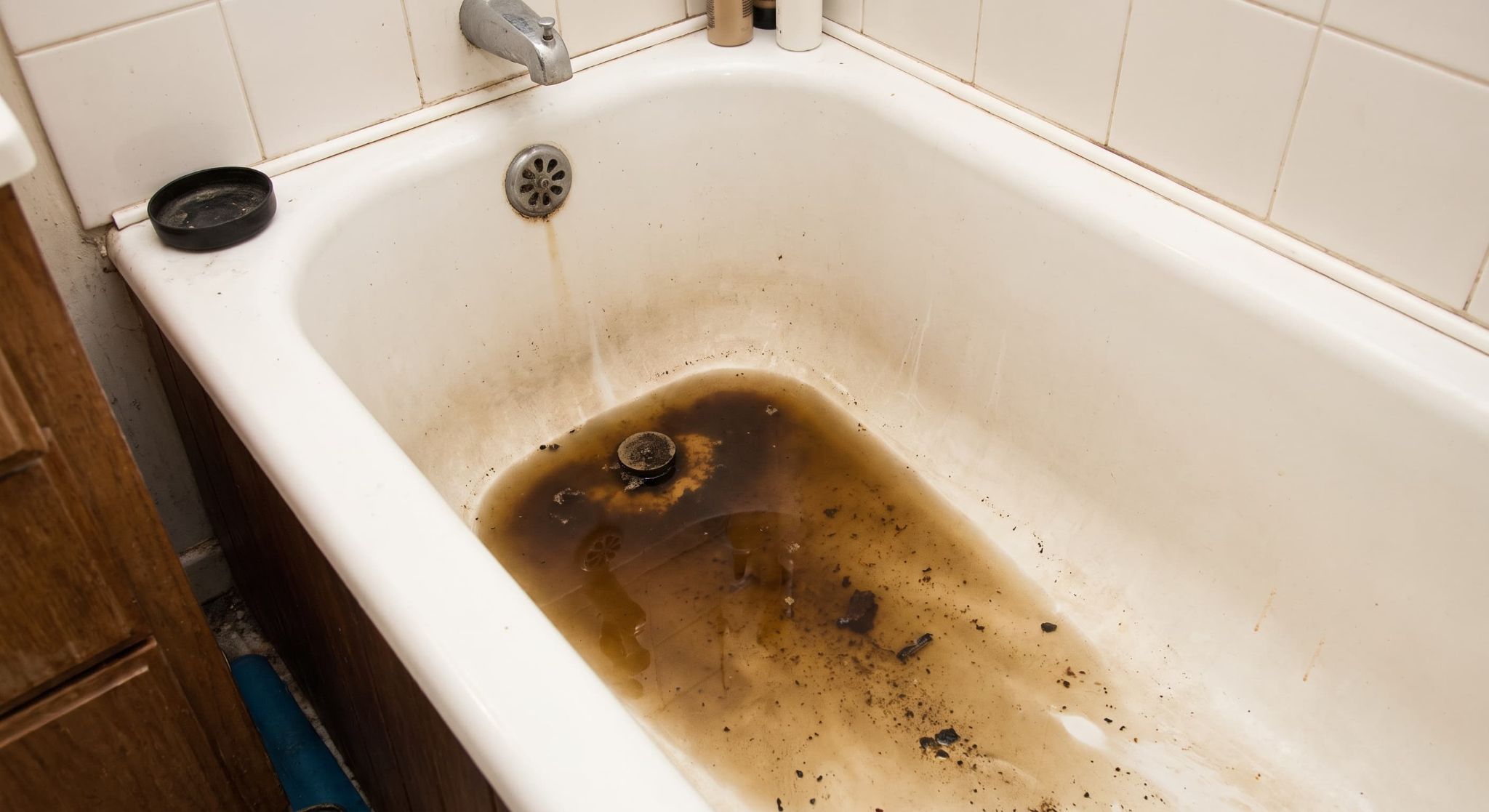
- Sewage or wastewater
- Mould and moisture
- Biohazard contamination
- Food or organic material
- Pest activity
- Hoarding conditions
- Water-damaged building materials
Every situation is different. That is why proper inspection comes before treatment.
The Difference Between Masking And Removing An Odour
Masking an odour introduces another scent that temporarily overwhelms the original smell.
Source removal addresses the material actually producing it.
For example, spraying deodorizer over a carpet affected by pet urine might improve the room temporarily. But if urine has travelled through the carpet and into the underlay or subfloor, the contamination is still present.
We see the same issue with smoke. Smoke residue can settle on walls, ceilings, flooring, cabinetry, furnishings, and other surfaces. Our article on why cigarette smoke removal takes more than cleaning explains why surface wiping alone often doesn’t resolve persistent tobacco odours.
Long-term odour control usually requires removing or treating the source first.
Why Odours Can Disappear And Then Return
One of the more frustrating parts of an odour problem is that it can seem inconsistent.
Temperature, humidity, airflow, and moisture can all influence how noticeable an odour becomes.
A basement might smell relatively normal during a dry winter period but develop a stronger musty smell as humidity increases. Pet odours may become more obvious during warmer weather. Contamination inside walls or flooring may become noticeable when heating or ventilation systems circulate air throughout the building.
This doesn’t necessarily mean a new problem has developed. It may mean an existing source is becoming easier to detect.
If moisture is involved, it is especially important to determine where that moisture is coming from. Our water damage and flood restoration services include assessing affected areas and addressing damage that can contribute to ongoing odour and material deterioration.
Moisture And Musty Odours
A musty smell should not automatically be assumed to mean mould, but it should not be ignored either.
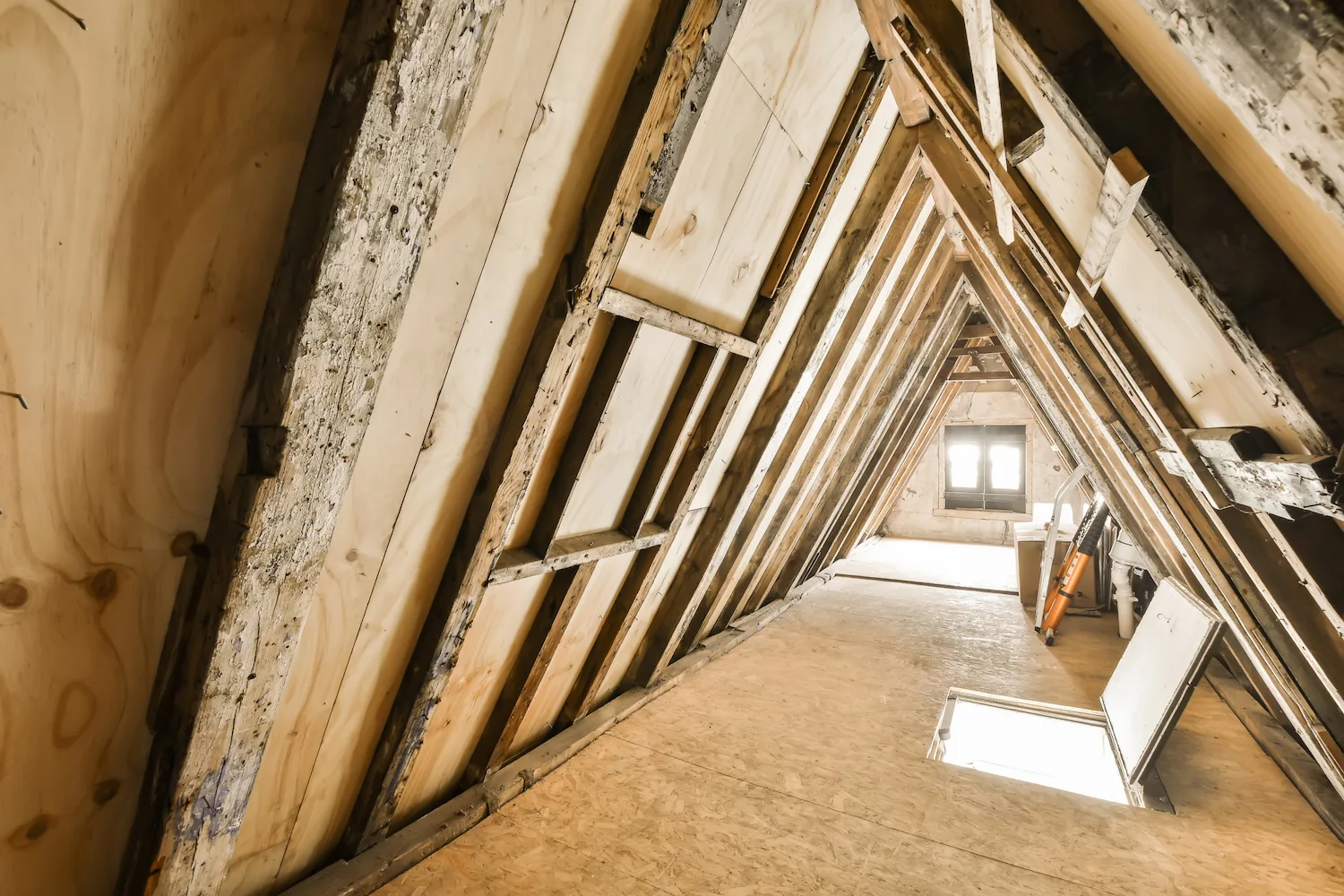
Moisture trapped behind drywall, under flooring, around foundations, inside crawl spaces, or in attics can create conditions where microorganisms grow and building materials begin to deteriorate.
Simply deodorizing the room won’t correct the moisture problem.
When mould is present, proper mould restoration and remediation focuses on both contaminated materials and the conditions that allowed the problem to develop.
This distinction matters. Cleaning visible growth without addressing moisture can allow the same conditions to continue.
The same principle applies to odour removal. We need to understand the source before deciding how the property should be treated.
Pet Odours Can Travel Below The Surface
Pet odours are another common example of why surface cleaning sometimes fails.
Urine can travel through carpet fibres and into padding. With enough exposure, it may reach the subfloor below. In some situations, contamination can also affect baseboards or nearby drywall.
That means even professionally cleaned carpet may continue to smell if the material underneath remains contaminated.
Our guide to removing pet odours before selling a home discusses why identifying the full extent of contamination matters before choosing a treatment.
In more severe situations, affected materials may need to be removed before the underlying surface can be properly cleaned, treated, sealed, or reconstructed.
Sewage And Biohazard Odours Require Extra Care
Some odours are more than unpleasant.
Sewage backups, bodily fluids, animal contamination, and other biological materials can create health and safety concerns that should not be approached like ordinary household cleaning.
If sewage has entered your property, our guide on what to do after a sewage backup in an Edmonton home explains why contaminated areas should be handled carefully.
For more complex contamination, our biohazard and trauma cleanup services use appropriate procedures, protective equipment, cleaning methods, and disposal practices.
In these situations, removing the smell is not the primary goal. The first priority is making sure contamination is handled safely and thoroughly.
Odour improvement follows proper remediation.
Sometimes The Source Has To Be Removed
Not every odour can be cleaned out of every material.
Porous building materials can absorb contaminants deeply. Depending on what happened and how long the material was exposed, removal may be the safest and most effective option.
This can include materials such as drywall, insulation, carpet padding, damaged flooring, cabinetry components, or other porous finishes.
That is where having cleaning, remediation, restoration, and reconstruction capabilities under one roof becomes valuable.
Our property remediation and disaster restoration services allow us to look beyond surface cleaning when the problem has affected the building itself.
When damaged materials need to be removed and rebuilt, our restoration and reconstruction services can help move the property from remediation through repair.
How We Approach Persistent Odour Problems
We don’t assume every smell requires the same treatment.
The first step is understanding what happened.
We look at the history of the property, where the odour is strongest, what materials may have been affected, whether moisture is present, and whether contamination may have travelled beyond the visible area.
From there, the work may involve cleaning surfaces, removing contaminated contents, treating affected materials, controlling moisture, removing damaged building materials, or completing repairs after remediation.
The exact process depends on the source.
That is why we avoid promising a universal odour treatment. A method that works well for smoke may not be appropriate for sewage, mould, pets, or biohazard contamination.
Good remediation is problem-specific.
When Should You Call A Professional?
A minor household smell with an obvious source may be manageable with normal cleaning.
Professional assessment becomes more important when an odour continues returning despite cleaning, appears after flooding or sewage damage, is associated with mould or moisture, originates from an unknown location, involves biological contamination, or has penetrated building materials.
You should also consider professional help when the property has experienced long-term smoking, hoarding, pest contamination, or significant pet damage.
In these situations, repeatedly masking the smell can delay identifying the real problem.
Fix The Cause, Not Just The Smell
Persistent odours usually have a reason for being there.
The key is finding that reason.
At Grimebusters, we’ve handled difficult cleaning and remediation situations across Edmonton and surrounding communities since 1994. Our approach is straightforward. We identify the source, explain what we find, and recommend the safest practical way to address it.
If an unpleasant odour keeps returning in your home, rental property, or commercial building, contact Grimebusters to discuss the situation. We can help determine whether the problem requires professional cleaning, remediation, material removal, or restoration.