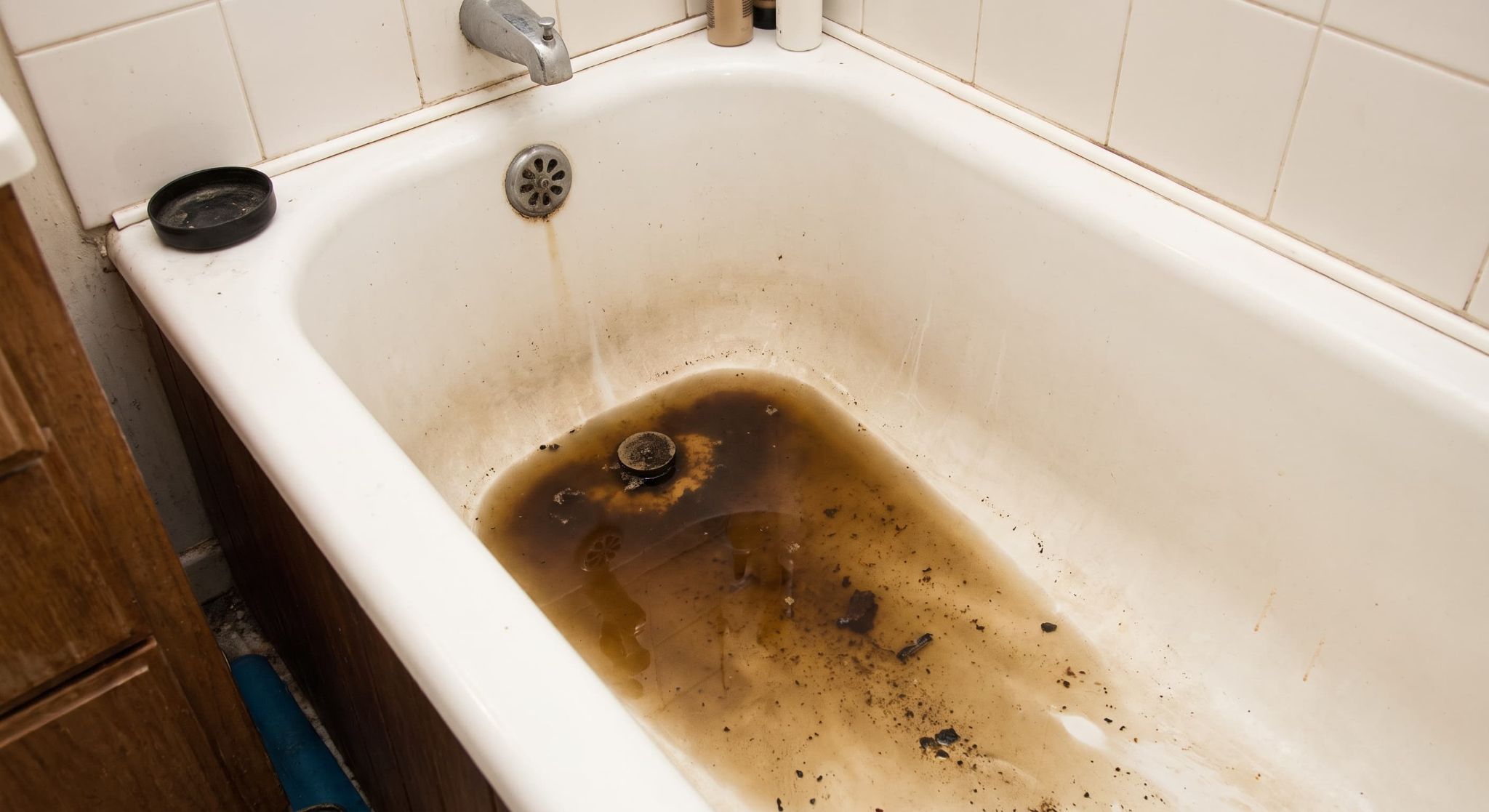
A sewage backup is one of the most stressful water damage situations a homeowner can face. Whether wastewater has entered your basement through a floor drain, toilet, shower, or sewer line, the priority is protecting people, limiting contamination, and getting the area assessed quickly.
In Edmonton, sewage backups can happen for several reasons, including blocked sewer lines, aging plumbing, heavy rainfall, frozen pipes, or water entering a low-lying basement. Every situation is different, but one rule remains the same: do not treat sewage water like an ordinary spill or minor flood.
At Grimebusters, we have been helping Edmonton homeowners and property managers handle difficult cleanup and restoration situations since 1994. Here is what you should do first, what to avoid, and when professional cleanup is needed.
First, Protect Your Family And Limit Exposure
Keep people and pets away from the affected area right away. Sewage water may contain bacteria, viruses, and other contaminants that should not be handled without proper protective equipment and cleaning procedures.
Close the door to the affected room if possible. If the backup is in an open basement, keep children, pets, and unnecessary foot traffic away from the space. Avoid walking through contaminated water and then tracking it into clean areas of your home.
Do not allow anyone to touch furniture, flooring, storage boxes, or personal belongings that may have come into contact with wastewater until they have been assessed.
If water is near electrical outlets, appliances, or your electrical panel, do not enter the area. Contact a qualified professional or your utility provider for guidance before attempting to shut anything off.
Stop The Source Only If It Is Safe
If you know the backup is coming from a toilet, sink, or appliance and can safely stop the water source, do so. You may be able to turn off the fixture’s water supply valve or stop using water throughout the home.
However, sewage backups are often caused by a blockage or issue farther down the sewer line. In those cases, running more water can make the problem worse. Avoid flushing toilets, running dishwashers, showering, or using washing machines until the issue has been inspected.
If you are unsure whether the problem is inside your property or connected to the municipal sewer system, contact the appropriate utility provider, plumber, or restoration professional. Our team can also help you understand the immediate cleanup and restoration steps after the source has been addressed.
Document The Damage Before Cleanup Begins
Before moving belongings or starting any cleanup, take photos and video of the affected areas from a safe location. Documentation can be useful for your insurance provider, landlord, property manager, or restoration plan.
Record details such as:
- The rooms affected
- The apparent source of the backup
- Water levels and visible damage
- Damaged flooring, walls, furniture, and stored items
- The date and time you discovered the problem
- Any steps you took to limit further damage
Our guide on what to document after basement flooding provides a helpful starting point for homeowners dealing with water-related property damage.
Do not delay emergency cleanup while waiting for an insurance decision. The longer contaminated water remains in the home, the greater the risk of material damage, odours, and secondary mould growth.
Why Sewage Backup Cleanup Requires A Different Approach
A sewage backup is not the same as a clean water leak from a supply line. Contaminated water can affect far more than the surface you see.
Carpet, underlay, insulation, drywall, unfinished wood, furniture, cardboard boxes, and stored belongings can all absorb wastewater. Even after visible water is removed, contamination and moisture can remain below flooring, inside wall cavities, and around baseboards.
Household mops, shop vacuums, and standard disinfectants are not designed to properly address a large sewage contamination event. Improper cleanup can spread contaminants further through the home or leave moisture behind where it cannot be seen.
For more information about how different water sources affect restoration decisions, read our article on the three categories of water damage in Edmonton.
What A Professional Cleanup Process Looks Like
When a professional responds to a sewage backup, they assess the property carefully and create a plan based on the extent of the contamination, affected materials, and safety risks.
The process may include:
- Site Assessment And Safety Planning
They identify affected areas, potential hazards, and materials that need professional cleaning, removal, or disposal. - Containment
They take steps to prevent contaminated water, debris, and airborne particles from spreading into unaffected areas. - Water Extraction And Removal
They remove standing water using professional equipment designed for restoration work. - Removal Of Unsalvageable Materials
Porous materials that cannot be safely restored may need to be removed. This can include carpet, underlay, damaged drywall, insulation, or other affected contents. - Cleaning And Disinfection
They clean and treat affected surfaces using appropriate procedures and products for the situation. - Drying And Moisture Monitoring
They use professional drying equipment and moisture detection tools to help ensure hidden moisture is addressed. - Restoration
When repairs are needed, they can provide a coordinated path from cleanup through restoration.
Items That Often Need Professional Assessment
After a sewage backup, some belongings may be salvageable, while others may need to be discarded for safety reasons. The answer depends on the item, the material, the level of contamination, and how long it was exposed.
Items that often require careful assessment include:
- Carpets and underlay
- Area rugs
- Upholstered furniture
- Mattresses
- Drywall and insulation
- Wood furniture and cabinets
- Children’s toys
- Books, documents, and cardboard storage boxes
- Clothing and linens
- Electronics and appliances
Hard, non-porous surfaces may be cleaned and disinfected when handled properly. Porous items are more difficult because they can absorb contaminated water below the surface.
What Not To Do After A Sewage Backup
It is understandable to want to clean up quickly, especially when your basement or living space is affected. However, certain actions can create more risk or increase the cost of restoration.
Avoid these common mistakes:
- Do not use a household vacuum on standing water.
- Do not run fans before contaminated materials have been assessed.
- Do not use a regular mop to spread wastewater across the floor.
- Do not remove contaminated drywall or insulation without proper containment.
- Do not keep using plumbing fixtures until the source is identified.
- Do not assume a strong cleaner alone will make contaminated materials safe.
- Do not wait several days to address water and moisture damage.
You can learn more about emergency response in our article, How To Handle Emergency Water Damage In Edmonton Homes And Businesses.
Preventing Mould After A Sewage Backup
Once the immediate contamination is addressed, drying the property thoroughly is essential. Moisture left behind in flooring, walls, insulation, or framing can create conditions for mould growth.
Even when a room looks dry, moisture may remain underneath flooring or inside wall cavities. This is why professional moisture monitoring is an important part of the restoration process.
Our article on when to repair water damage to prevent mould explains why prompt action matters. You can also review the common warning signs in How To Spot Mould In Your Edmonton Home Before It Spreads.
When To Call Grimebusters
Call us as soon as possible when sewage has entered your home, basement, rental unit, commercial space, or common area. Early professional cleanup can help limit damage, reduce disruption, and protect the people using the property.
We provide discreet, professional support for Edmonton homeowners, property managers, landlords, and commercial clients. Our team is available 24/7 for emergency situations, and we provide clear communication and written quotes before work begins.
A sewage backup is stressful, but you do not have to manage it alone. Contact us for professional advice and emergency cleanup support.