A practical, safety-first guide for Edmonton homeowners and property managers
If you live or work in an older building in Edmonton, chances are you have wondered whether asbestos could be present. It is one of the most common questions we hear, especially before renovations, repairs, or property purchases. Knowing how asbestos testing works, and what not to do, is critical for protecting your health and staying compliant with Alberta regulations.
We have been handling asbestos-related work since the 1990s, and we have seen firsthand how improper testing or DIY sampling can turn a manageable situation into a serious contamination issue. This guide explains how asbestos testing actually works, when it is necessary, and why professional involvement matters so much.
Our goal is to help you make informed, safe decisions, not to alarm you. Asbestos can be managed safely when it is handled properly.
What Is Asbestos and Why Testing Matters
Asbestos is a naturally occurring mineral that was widely used in building materials for its fire resistance, durability, and insulating properties. In Edmonton and across Alberta, asbestos-containing materials were commonly installed in homes and commercial buildings from the 1940s through the late 1980s.
You cannot identify asbestos just by looking at it. Many asbestos-containing materials look identical to non-asbestos products. The only way to confirm whether a material contains asbestos is through laboratory testing.
Testing matters because asbestos becomes hazardous when fibres are disturbed and released into the air. Inhalation of these fibres over time is linked to serious health conditions. That is why Alberta regulations place strict controls on how asbestos is identified, handled, and removed.
We’ve outlined a list of where asbestos is commonly found.
When Should You Test for Asbestos
Asbestos testing is not required in every situation. In many cases, asbestos-containing materials that are intact and undisturbed can be safely left alone. Testing becomes important when there is a risk of disturbance.
You should strongly consider testing if:
- Your home or building was constructed or renovated before 1990
- You are planning renovations, demolition, or repairs
- You have damaged materials such as crumbling drywall, broken tiles, or deteriorating insulation
- You are buying or selling an older property
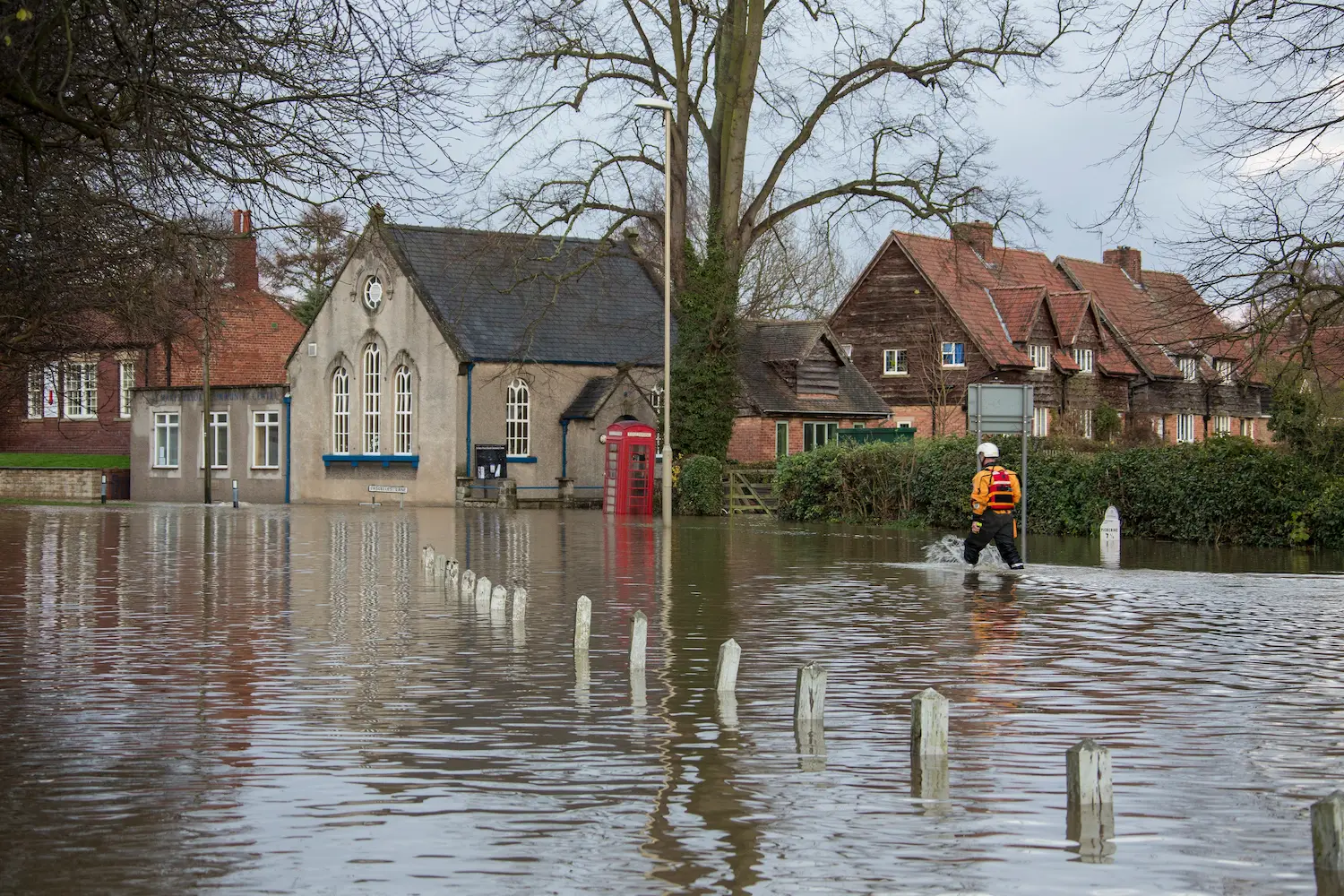
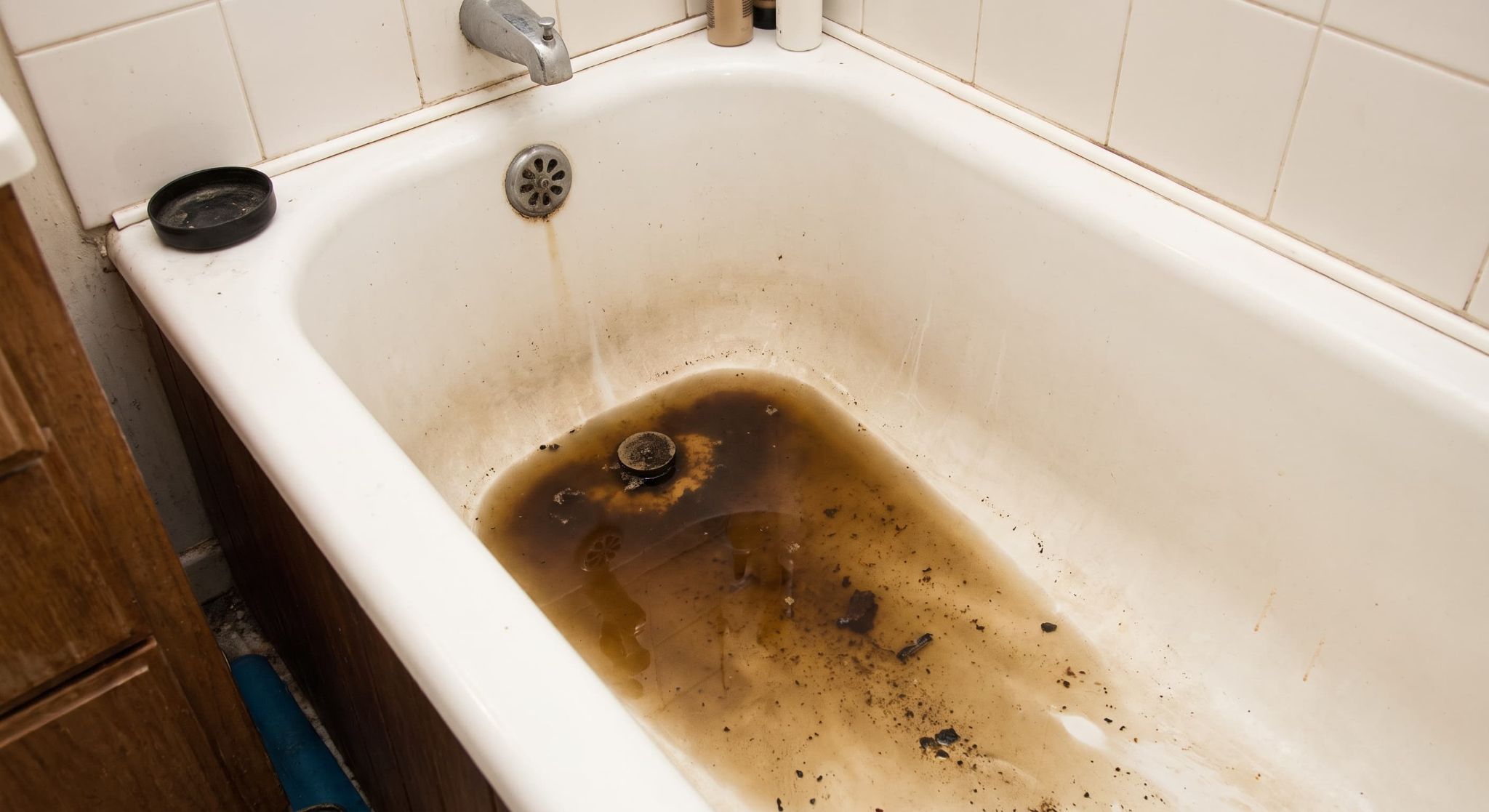
- Flooding, fire, or water damage has affected building materials
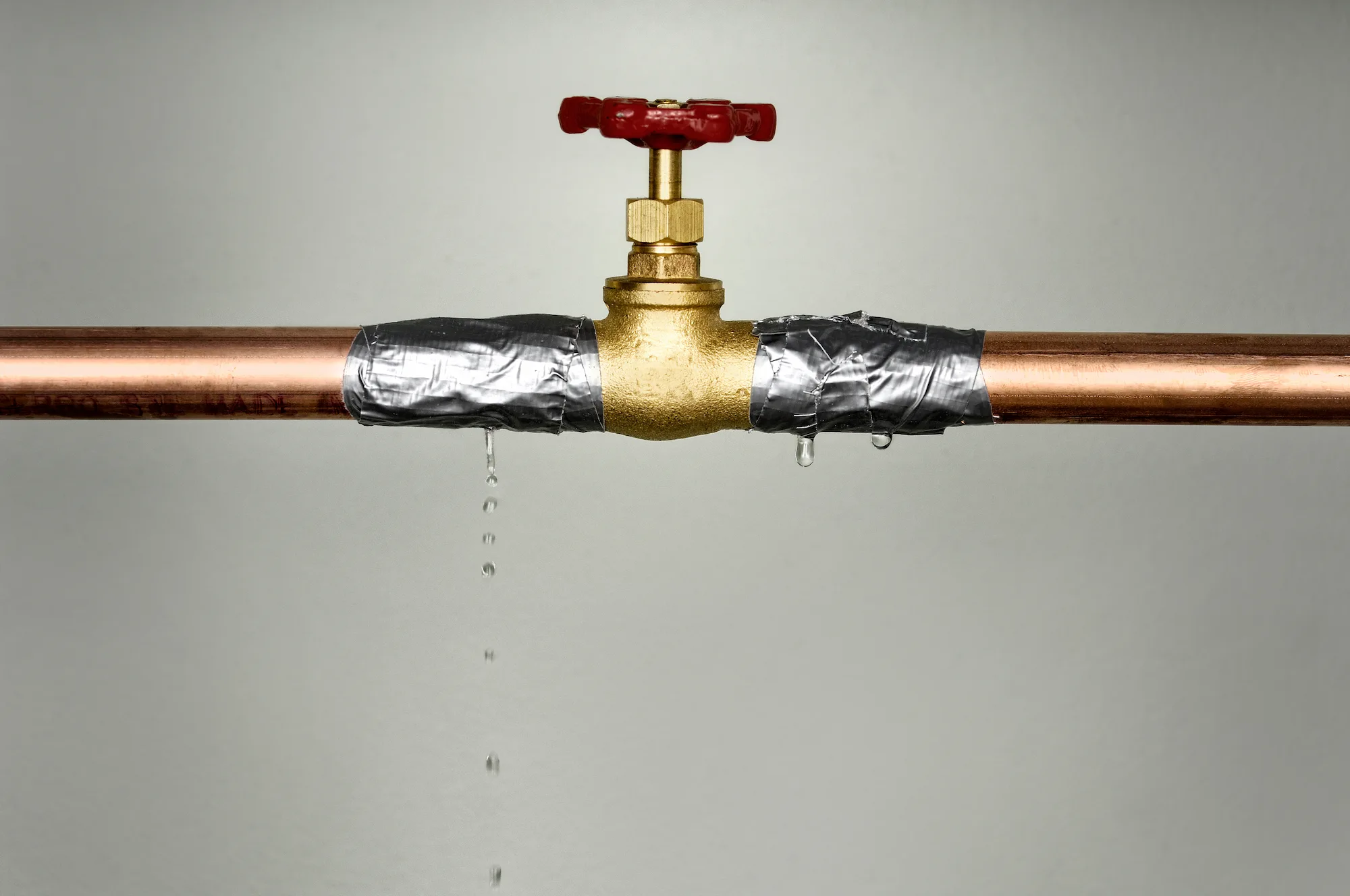
In Edmonton, we frequently see asbestos concerns arise after basement floods, frozen pipe breaks, or furnace replacements. Winter damage is a major trigger and can increase your risk of asbestos.
Common Materials That May Require Testing
Asbestos was used in a wide range of products. Some of the most commonly tested materials include:
- Popcorn or textured ceilings
- Vinyl floor tiles and the black adhesive beneath them
- Drywall joint compound
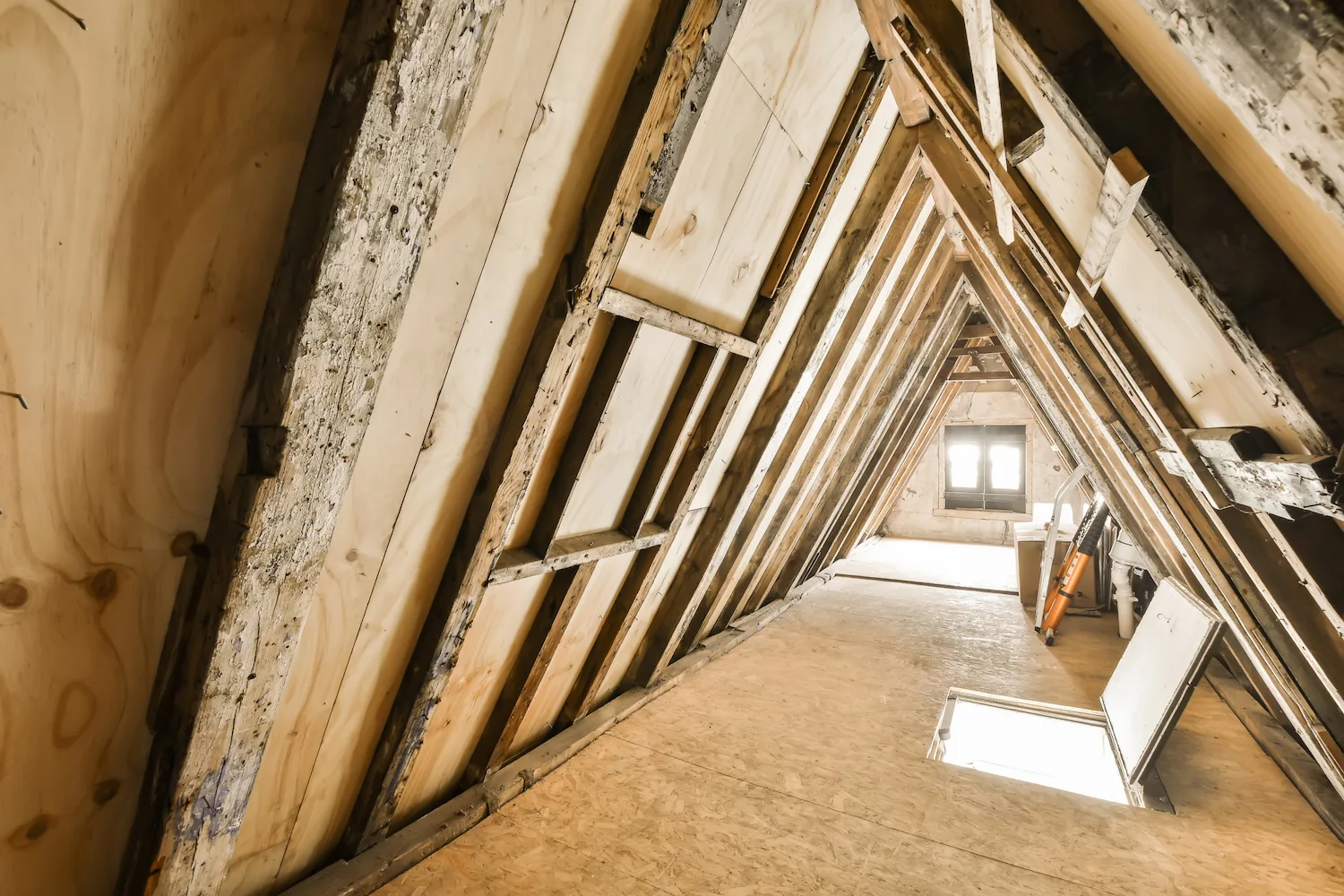
- Vermiculite attic insulation
- Pipe wrap and boiler insulation
- Cement board and siding
- Ceiling tiles
- Asbestos tape on ductwork
If you suspect any of these materials may be present, do not disturb them to “check.” That is how fibres are released.
Can You Test for Asbestos Yourself
This is one of the most important questions to answer clearly.
Home asbestos test kits are widely sold online and in some stores. While they may appear simple, they come with serious risks that are often not explained.
DIY asbestos testing usually involves:
- Cutting, scraping, or breaking a sample
- Handling material without proper protective equipment
- Failing to properly contain fibres
- Transporting contaminated samples through your home
We regularly respond to situations where a homeowner tried to take a sample and unknowingly contaminated multiple rooms. What started as a small concern turned into a full professional abatement project.
From a safety standpoint, DIY sampling is not recommended, especially in Alberta where regulations are strict about asbestos disturbance.
How Professional Asbestos Testing Works
Professional asbestos testing follows a controlled, safety-focused process designed to minimize fibre release and protect occupants.
Here is what proper testing typically involves.
1. Site Assessment
A trained technician assesses the building, construction date, and suspected materials. This step helps determine whether testing is warranted and which materials should be sampled.
2. Controlled Sample Collection
Samples are taken using industry-approved methods. This includes:
- Isolating the sampling area
- Using appropriate respiratory protection
- Wetting materials to reduce airborne fibres
- Sealing samples in approved containers
This step is critical. Improper sampling is one of the most common causes of asbestos exposure.
3. Accredited Laboratory Analysis
Samples are sent to a certified laboratory for analysis using polarized light microscopy or other approved methods. Results typically identify:
- Whether asbestos is present
- The type of asbestos
- The percentage of asbestos content
4. Clear Reporting and Next Steps
Once results are received, you are provided with clear guidance on what the findings mean and what options are available. In many cases, no immediate action is required. In others, professional management or abatement may be recommended.
Understanding Alberta Asbestos Regulations
Alberta has specific occupational health and safety regulations governing asbestos. These rules apply to homeowners, landlords, employers, and contractors.
In general:
- Asbestos must be identified before renovation or demolition
- High-risk asbestos work must be performed by qualified professionals
- Improper disturbance can result in fines and liability
The Government of Alberta provides detailed guidance on asbestos handling and worker safety. Compliance is not optional, especially for rental and commercial properties.
If you manage a multi-unit building or commercial space, testing is often a legal and insurance requirement.
What Not To Do If You Suspect Asbestos
When asbestos is suspected, the wrong response can make things worse. Avoid the following mistakes:
- Do not cut, sand, drill, or scrape materials
- Do not vacuum suspected asbestos with household vacuums
- Do not remove materials to “see what is underneath”
- Do not rely on visual identification
- Do not assume newer renovations mean asbestos-free materials
What Happens After Asbestos Is Confirmed
A positive asbestos test does not automatically mean removal is required. The correct response depends on the material type, condition, and risk of disturbance.
Options may include:
- Leaving the material undisturbed and monitoring it
- Encapsulation or sealing
- Enclosure behind barriers
- Professional asbestos abatement
If you’re worried about Asbestos we’ve created a guide that helps you determine if you need an Abatement Contractor.
Why Professional Involvement Matters
Asbestos is not a DIY problem. Beyond the health risks, improper handling can lead to:
- Widespread contamination
- Costly cleanup
- Failed inspections
- Insurance complications
- Legal liability for landlords and sellers
As a family-owned Edmonton company established in 1994, we have handled asbestos testing and abatement in homes, schools, offices, and industrial sites. Our technicians are trained, certified, and equipped to manage these situations correctly from start to finish.
We also provide written quotes, clear explanations, and discreet service. No pressure, no scare tactics.
Asbestos Testing and Renovations in Edmonton
Renovation projects are one of the biggest triggers for asbestos exposure. Even small projects like replacing flooring, removing ceilings, or updating bathrooms can disturb asbestos-containing materials.
Before starting any work, testing protects:
- Your health
- Your contractors
- Your project timeline
- Your budget
Testing After Floods and Water Damage
Water damage often exposes or weakens building materials. When asbestos-containing materials get wet, they can become friable and more dangerous.
We frequently combine asbestos assessment with Flood & Water Damage Restoration services, especially after basement flooding or sewer backups. In these situations, proper testing helps determine safe cleanup methods.
How Long Does Asbestos Testing Take
Timelines can vary, but generally:
- Site assessment and sampling can be completed quickly
- Lab results are often available within a few business days
- Emergency situations can sometimes be expedited
We understand that uncertainty is stressful. Clear timelines and communication are part of doing the job properly.
Conclusion
If you are concerned about asbestos in your home or building, or if you are planning renovations and want to do things properly, contact Grimebusters. Our team is available to provide professional asbestos testing, clear guidance, and safe solutions for Edmonton and surrounding communities.