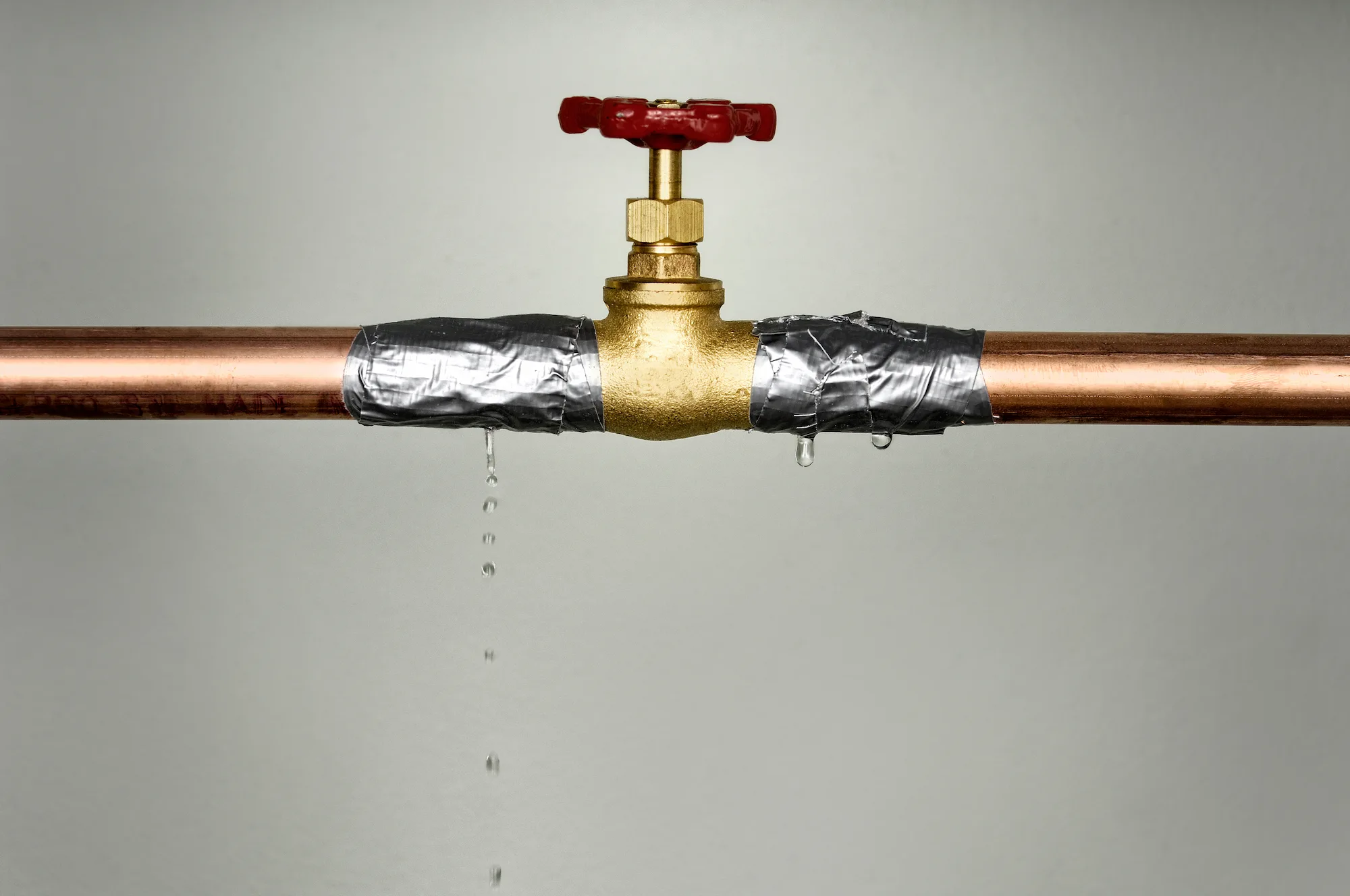
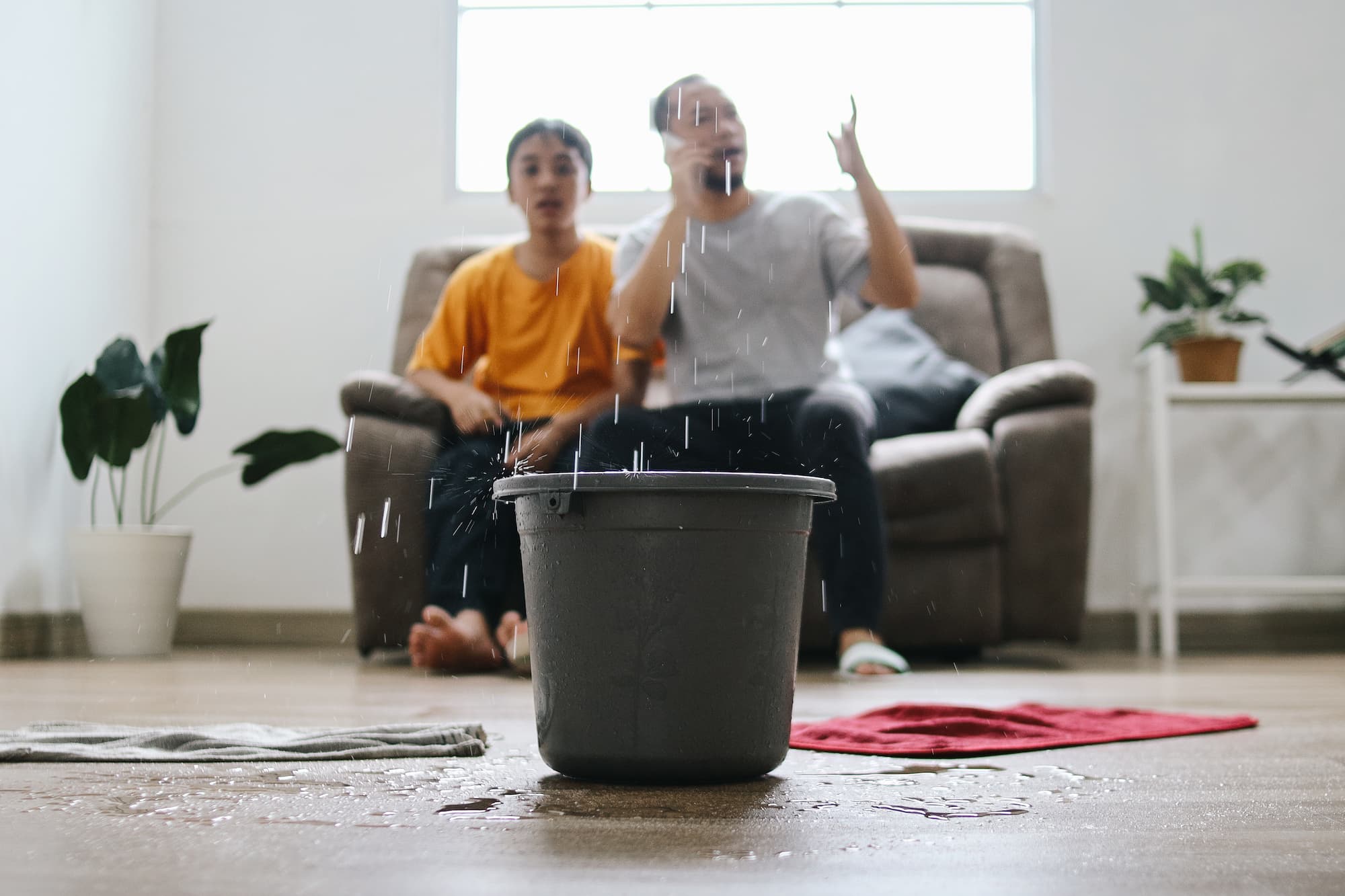
A burst pipe can release a large amount of water into your home or commercial property in a short period. In Edmonton, this risk increases during periods of extreme cold, particularly when pipes are located near exterior walls, inside poorly insulated areas, or in spaces that aren’t adequately heated.
What you do during the first few minutes can make a major difference. Stopping the water, avoiding electrical hazards, and beginning professional water removal quickly can limit damage to drywall, flooring, insulation, furniture, and personal belongings.
At Grimebusters, we provide 24/7 emergency response and cleanup services in Edmonton. Here’s what we recommend doing immediately after discovering a burst pipe.
Shut Off The Main Water Supply
Your first priority is to stop more water from entering the property.
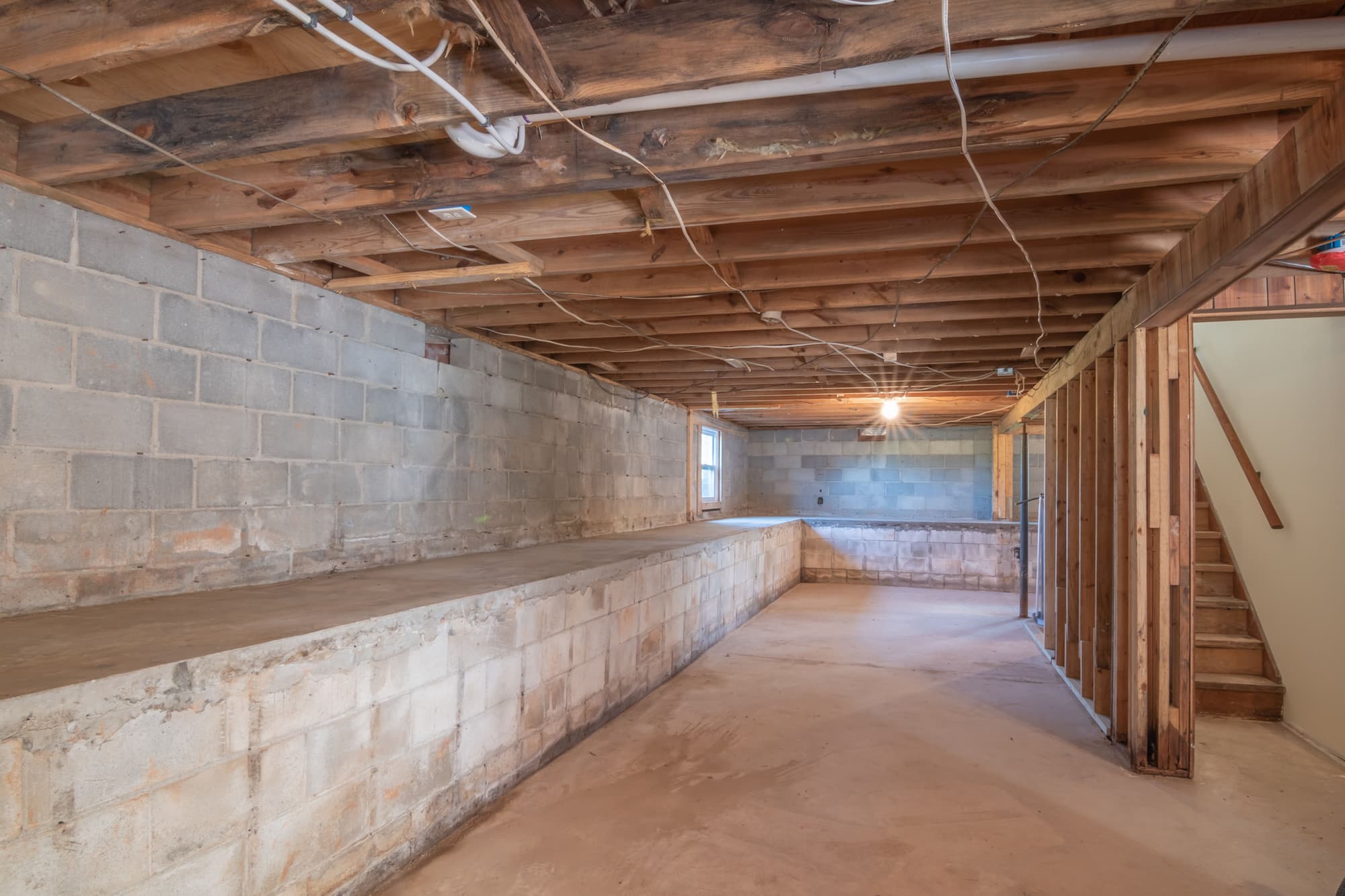
Locate the main water shutoff valve and turn it clockwise until it is fully closed. In many Edmonton homes, the main valve is in the basement near the water meter or where the water service enters the building. EPCOR confirms that closing the main shutoff valve stops water from entering your home.
Everyone in the household should know where this valve is located before an emergency occurs. In a commercial or multi-family property, managers should clearly identify shutoff locations and make sure authorized staff can access them.
If the valve is stuck, damaged, or inaccessible, don’t force it. Contact a qualified plumber or EPCOR for assistance.
After shutting off the supply, open a cold-water faucet on the lowest level of the property. This may help relieve pressure and drain some remaining water from the plumbing system.
Watch For Electrical Hazards
Water and electricity are a dangerous combination. Never enter standing water when electrical outlets, appliances, extension cords, or the electrical panel may have been affected.
Don’t attempt to reach the breaker panel if doing so requires walking through water. Alberta emergency guidance advises people not to enter flooded areas unless they know the power has been disconnected. Water-damaged outlets, appliances, and electrical panels should be inspected by a qualified electrician before use.
Call 911 if there is an immediate threat involving fire, electrical arcing, structural instability, or personal safety.
Once the scene is safe, unplug unaffected electronics and move them away from the wet area. Don’t plug in fans, shop vacuums, or other equipment where water has reached electrical components.
Call A Plumber And Water Damage Restoration Team
A plumber and a restoration contractor perform different but equally important jobs.
The plumber identifies and repairs the failed pipe. Our restoration team addresses the water that escaped and the damage it caused. This can include water extraction, moisture inspection, structural drying, cleaning, removal of unsalvageable materials, mould prevention, and reconstruction.
Calling for emergency water damage help early can reduce the distance water travels through the building.
Water rarely stays where it first appears. It can move:
- Under laminate, vinyl, and hardwood flooring
- Through carpet and underlay
- Behind baseboards
- Into drywall and insulation
- Beneath cabinets
- Through floor openings into rooms below
- Along framing and inside wall cavities
A floor or wall can feel dry on the surface while still holding moisture internally. That’s why professional moisture detection is an important part of the assessment.
Move Belongings Only When It Is Safe
If the area is electrically safe and the water appears to be from a clean supply pipe, move unaffected belongings away from the water.
Start with items that are easy to relocate, such as:
- Electronics
- Important documents
- Upholstered furniture
- Area rugs
- Cardboard boxes
- Clothing
- Artwork and photographs
Avoid lifting heavy, waterlogged furniture by yourself. Wet materials become much heavier and can cause strains, falls, and other injuries.
Don’t move wet items into unaffected rooms without protecting the floor. Moisture can transfer to carpet, wood, and other absorbent materials.
If the water has mixed with sewage, chemicals, or other contamination, avoid direct contact and wait for professional guidance. Our article about what to do after a sewage backup explains why contaminated water requires additional precautions.
Document The Damage
Take photographs and videos once it is safe to do so. Capture both wide views and close-up details.
Document:
- The suspected source of the leak
- Standing water
- Wet walls, ceilings, and flooring
- Damaged furniture and belongings
- Water entering rooms below
- The location of the shutoff valve
- Any visible ice or frost near the failed pipe
Create a written list of damaged items and note when you discovered the loss. Keep invoices and receipts for emergency plumbing, cleanup, temporary accommodations, and related expenses.
EPCOR recommends contacting your insurer promptly, keeping receipts for emergency cleanup or repairs, and making a list of damaged belongings after basement flooding.
For a more detailed checklist, read what to document after basement flooding.
Your insurer will determine what your policy covers. A restoration contractor can document visible damage, moisture readings, work completed, and materials removed, but we don’t make insurance coverage decisions.
Don’t Assume The Area Will Dry On Its Own
Opening windows or setting up a household fan is rarely enough after a significant pipe failure, especially during an Edmonton winter.
Water can remain trapped inside insulation, under flooring, behind vapour barriers, and within wall or ceiling cavities. Household dehumidifiers are designed for general humidity control, not necessarily for drying saturated building materials after a water loss.
Professional structural drying may involve:
- Water extraction equipment
- Commercial air movers
- Dehumidifiers
- Moisture meters
- Thermal imaging
- Controlled removal of wet materials
- Regular moisture monitoring
Drying equipment must be positioned and operated safely. More equipment isn’t always better. The drying plan should reflect the size of the affected area, the materials involved, and the path the water travelled.
Our guide to how long water damage restoration takes explains why timelines vary between properties.
Understand What May Need To Be Removed
Not every wet material needs to be discarded. However, some materials can’t be dried effectively or safely once water has penetrated them.
Removal may be necessary for:
- Saturated drywall
- Wet fibreglass or cellulose insulation
- Swollen particleboard
- Damaged laminate flooring
- Contaminated carpet and underlay
- Ceiling tiles
- Materials that have started deteriorating
Our goal is to remove what is necessary while protecting materials that can be safely restored. Every situation is assessed individually, and we explain the recommended scope before work proceeds.
When removal is required, repairs may include replacing insulation, drywall, baseboards, flooring, cabinets, and finishes. Our ability to handle cleanup, remediation, and reconstruction helps simplify the process for property owners.
Act Quickly To Reduce Mould Risk
Mould is not always visible immediately after a burst pipe. It can begin developing in damp, enclosed areas when moisture isn’t found and corrected.
Warning signs after water damage can include:
- Persistent musty odours
- Discolouration on walls or ceilings
- Peeling paint
- Swollen trim or drywall
- Damp carpet edges
- Condensation in unexpected areas
- Recurring moisture readings
The correct response is to identify and address the moisture source, locate all affected materials, dry the structure, and remove materials that can’t be restored.
Learn more about repairing water damage before mould develops.
Help Prevent Another Burst Pipe
After the immediate damage is under control, ask a qualified plumber why the pipe failed. Simply repairing the split section may not address the underlying condition.
Preventive steps may include:
- Insulating pipes near exterior walls
- Sealing cold-air leaks
- Maintaining heat in basements and utility rooms
- Keeping garage doors closed when plumbing runs nearby
- Disconnecting outdoor hoses before winter
- Having vulnerable plumbing inspected
- Knowing where the main shutoff valve is
- Arranging property checks while travelling
- Keeping indoor temperatures consistent during cold snaps
Our winter water damage prevention guide provides additional seasonal recommendations for Edmonton properties.
Get Help With Burst Pipe Cleanup In Edmonton
A burst pipe can be stressful, but you don’t have to coordinate every stage alone. We’ve served Edmonton and surrounding communities since 1994, helping homeowners, property managers, and commercial clients manage difficult property damage safely and professionally.
Our trained technicians can assess the affected area, extract water, monitor structural drying, remove damaged materials, clean the space, and complete necessary reconstruction. We provide clear communication and written quotes before restoration work proceeds.
For urgent assistance, contact Grimebusters. Our team is available 24/7 for emergency water damage cleanup in Edmonton and surrounding communities.