As we head into 2026, many of us are seeking ways to organize and refresh our living spaces. With this shift, terms such as ‘de-cluttering’ and ‘hoarding’ are being used more and more. But what do these two terms mean? How are they similar, and how are they different? How can you tell when it’s safe to roll up your sleeves and handle it yourself, and when it’s time to call for a biohazard cleaning in Edmonton?
In this brief blog with Grimebusters, let’s break down how cluttering and hoarding differ and why these two situations require a different approach. Let’s dive in.
What Counts as Clutter?
Clutter happens when personal items and belongings accumulate and become disorganized in the home. These are typically harmless items and belongings that require organization. More often than not, clutter is due to factors like a lack of time or becoming busy. Sometimes, clutter builds up significantly without anyone noticing. This is sometimes referred to as ‘clutter-blindness,’ which occurs when someone stops noticing or forgets about the clutter altogether. Examples of typical clutter may include:
- Stacks of unopened mail
- Piles of books and papers
- Unfolded laundry piles
- Random items out of storage
Decluttering often involves organizing items and doing some light cleaning. This can include tasks such as sweeping floors, taking out the trash, and storing items that aren’t in use. While still possible, clutter doesn’t often require biohazard cleaning in Edmonton.
What Does Hoarding Involve?
Hoarding involves the habitual, continuous accumulation of items. Unlike clutter, hoarding stems from a compulsive need to collect and keep belongings and objects. People affected by hoarding often feel distressed at the idea of decluttering or cleaning their homes. If left unaddressed, hoarding situations can escalate into severe and even dangerous situations.
Examples of severe hoarding may include:
- Plates of molded or rotten food
- Broken, unsafe appliances
- Inaccessible areas of the home
- Strong odours
The line between hoarding and clutter can sometimes become blurred, especially in more severe cases. But think about it like this: if friends and family helped organize and clean the space, would their health be at risk? Could they be exposed to anything that may make them sick? If so, you may be dealing with a hoarding or more heavy-duty situation. If that’s the case, biohazard cleaning in Edmonton may be needed to make the space safe and habitable once again.
The Key Role of Biohazards
One of the biggest differences between clutter and hoarding is the potential presence of biohazards. As indicated by the name, biohazards are biological materials that have the potential to cause harm or illness. The presence of these biohazards in any capacity introduces the risk of harmful pathogens and possible illness.
Biohazards often appear in hoarding situations, especially in severe cases. As a result, this risk of biohazards makes it unsafe to clean without proper protection and equipment. It’s not a question of if an item sparks joy, but rather if an area is safe to clean on your own. In these situations, the biohazard isn’t just a slice of pizza left out for too long. It’s a much more serious issue, being the buildup of multiple items over a period of time.
Examples of biohazards include:
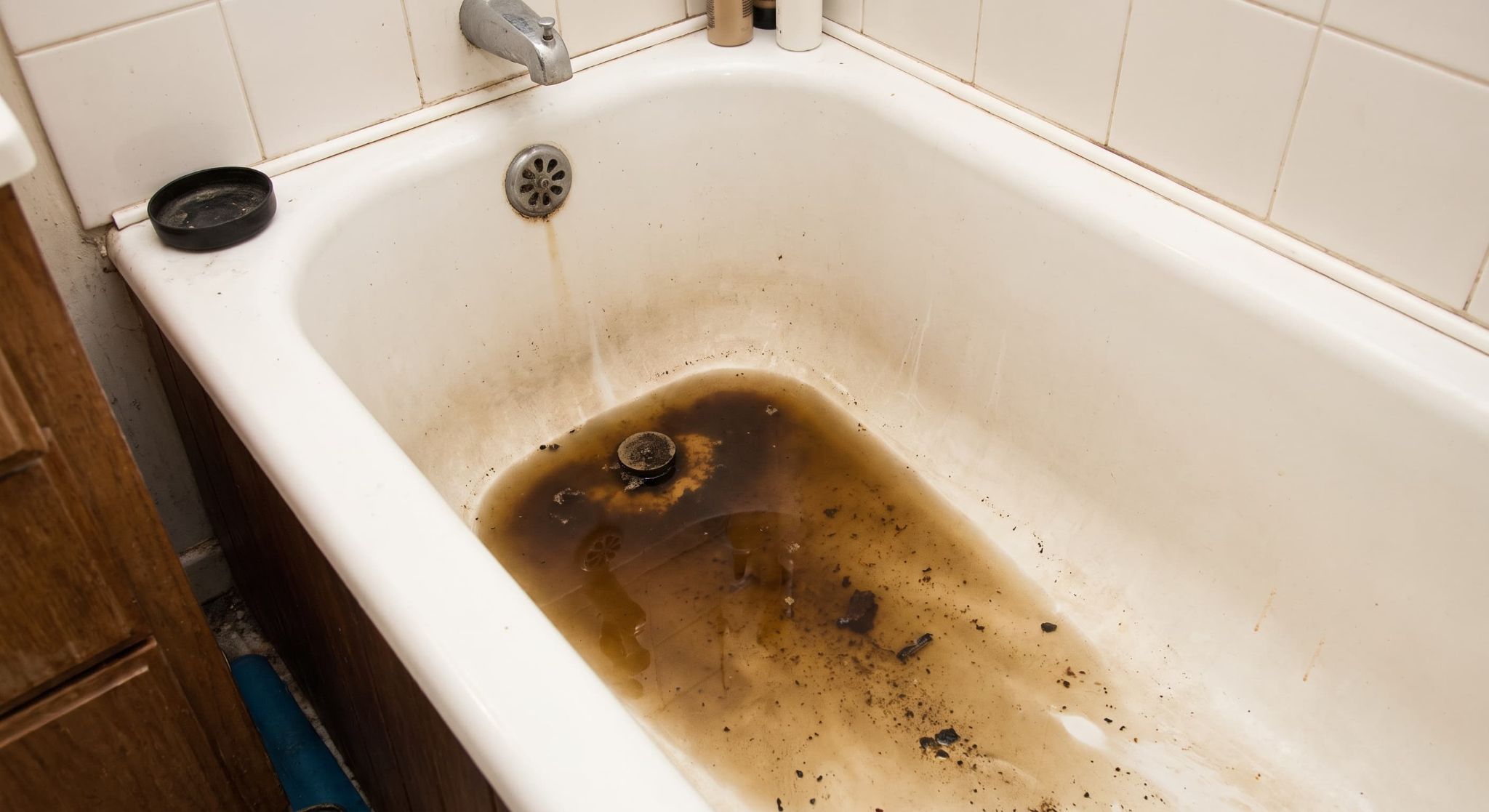
- Mold growth (rotten food, moisture issues)
- Pest waste (droppings, urine, nesting materials)
- Sewage backup & overflow
- Medical sharps, needles
Situation Beyond Bleach? Call Grimebusters
If you’re dealing with a hoarded home or require heavy-duty cleaning, don’t risk your health by attempting to clean it yourself. We’re here to help. Grimebusters is your reliable partner for mold remediation, water damage restoration, and biohazard cleaning in Edmonton, as well as a range of other services. Visit our website or contact us today to learn more about our services and schedule your appointment.