Basement flooding is stressful enough without trying to remember what you should photograph, save, measure, and report while water is still sitting in your home. In our experience, one of the most helpful things you can do after a flood is create a clear record of what happened and what was affected. Good documentation helps with insurance claims, guides cleanup decisions, supports repair planning, and can even reduce disputes later.
At Grimebusters, we’ve been helping Edmonton-area property owners with cleanup, remediation, and restoration since 1994. When a basement takes on water, the priority is always safety first. Once the area is safe to enter, proper documentation becomes one of the smartest next steps you can take. It gives you a timeline, a condition report, and a practical starting point for professionals, insurers, and contractors.
If your property has already been affected, our team can help with flood and water damage restoration, cleanup, and the next steps needed to protect your home from further damage.
Why Documentation Matters After a Basement Flood
A flooded basement can damage far more than flooring and drywall. Water can affect insulation, trim, stored belongings, electrical systems, framing, appliances, and air quality. In Edmonton, we also see flood-related issues complicated by older basements, winter freeze-thaw cycles, sump failures, blocked drains, and moisture that lingers long after standing water is removed.
Careful documentation helps you:
- Support your insurance claim with clear evidence
- Show the extent of visible and hidden damage
- Create a record before cleanup or demolition begins
- Track what was lost, removed, restored, or replaced
- Help restoration professionals assess the full scope
- Reduce the risk of missed moisture and later mould growth
If moisture isn’t addressed quickly and correctly, secondary damage can develop fast. We’ve covered that in our blog on when you should repair water damage to prevent mould.
Start With Safety Before You Document Anything
Before taking photos or walking through the basement, make sure the space is safe. If there is any chance water has reached electrical outlets, appliances, your panel, or extension cords, stay out until the area has been assessed. The same applies if you smell gas, see sagging ceilings, or suspect sewage contamination.
If the flooding involves contaminated water, you may also need more than standard drying and cleaning. In those cases, our teams may need to perform property remediation and disaster restoration or, where contamination is severe, biohazard trauma cleanup.
Once the space is safe to enter, begin documenting right away, before you move too much around.
1. Document the source of the flooding
One of the first things insurers and restoration teams want to understand is where the water came from. Try to record the most likely source as clearly as possible.
Examples include:
- Sump pump failure
- Sewer backup
- Burst pipe or leaking supply line
- Hot water tank failure
- Foundation seepage
- Heavy rainfall entering through a window well
- Appliance or utility room leak
Take wide photos first, then closer shots of the suspected source. If a pipe burst, photograph the exact location. If a floor drain backed up, record the drain and the surrounding water line. If the problem appears tied to foundation seepage or ongoing basement moisture, our blog on 5 common issues found in basements and how we help gives helpful context.
Also write down:
- The date and time you discovered the flooding
- When the water source likely started
- Current weather conditions, if relevant
- Whether the water appears clean, grey, or contaminated
- Whether the flooding was sudden or gradual
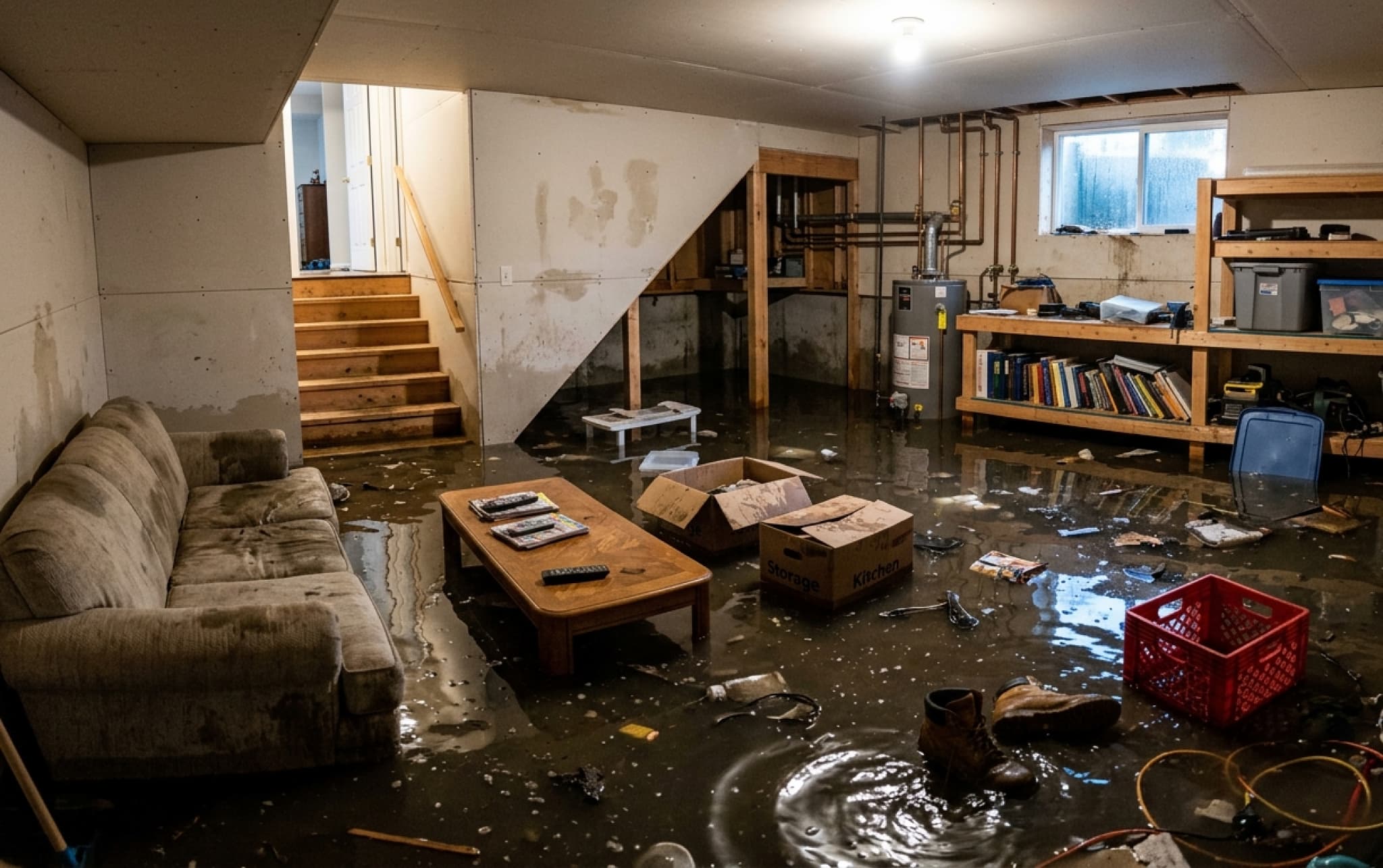
2. Take wide-angle photos of the entire basement
Before removing anything, photograph the full layout of the affected area. Start at the entrance and take overlapping images of every room, corner, and wall. This creates a visual record of the condition of the basement before cleanup begins.
Be sure to capture:
- The full floor area
- Wall-to-wall water spread
- Water lines on drywall or foundation walls
- Floor drains and utility areas
- Stairways and entrances
- Finished and unfinished sections
- Storage rooms, bedrooms, rec rooms, and mechanical rooms
If possible, take a slow video walkthrough as well. Narrate what you’re seeing, including the date, affected rooms, and anything that stands out. This can be very helpful later when details start to blur together.
3. Measure and record the water level
Photos help, but measurements make your documentation much stronger. Note the depth of standing water at several points in the basement. Even a simple measuring tape in a photo can help show the extent of the flooding.
Record:
- Maximum water depth
- Average depth across the space
- Height of the water mark on walls
- Which rooms had standing water
- Which rooms had damp flooring but no visible pooling
This matters because damage often depends on how high and how long the water sat. Water that reaches drywall, insulation, wood framing, cabinetry, or electrical systems usually requires a more extensive response than a small amount of surface water on concrete.
4. Create a room-by-room inventory of damaged items
After you document the overall space, move on to contents. We recommend listing damaged items by room so nothing gets missed.
For each item, note:
- What it is
- Where it was located
- Whether it was submerged, splashed, or exposed to humidity
- Approximate age
- Approximate value
- Whether it appears salvageable
- Whether you have a receipt, serial number, or warranty information
Common basement contents include:
- Furniture
- Area rugs and carpets
- Electronics
- Seasonal storage bins
- Tools
- Exercise equipment
- Kids’ toys
- Books and documents
- Appliances
- Clothing and linens
Take both overview and close-up photos. If you later need disposal, demolition, or removal support, that documentation also helps us determine whether biohazardous junk removal or another cleanup approach is appropriate.
5. Photograph building materials before they are removed
Homeowners often focus on damaged belongings first, but structural materials are just as important to document. Once drywall is cut, carpet is removed, or baseboards are pulled, the original condition is gone. That is why early photos matter.
Document the condition of:
- Flooring and underlay
- Carpet and carpet pad
- Baseboards and trim
- Drywall
- Insulation
- Doors and frames
- Built-in shelving or cabinetry
- Ceiling materials, if the water rose high enough
- Utility room finishes
- Subfloor, if visible
This record helps support both emergency drying and later restoration and reconstruction if parts of the basement need to be rebuilt.
6. Save proof of cleanup, mitigation, and emergency steps
Documentation should continue after the initial flood is recorded. Keep track of everything you do to reduce damage.
Examples include:
- Calling your insurer
- Calling a restoration company
- Turning off water to the property
- Arranging an electrician or plumber
- Using fans or dehumidifiers
- Removing wet contents
- Lifting furniture off the floor
- Disposing of unsalvageable materials
- Booking professional drying or cleaning services
Save all invoices, quotes, emails, and receipts. If you bought tarps, bins, fans, gloves, or cleaning supplies, keep those records too. They may be relevant to your claim or reimbursement process.
If cleanup extends into full-service restoration, it can also help to document when you brought in professionals for cleaning services in Edmonton and surrounding areas or broader residential and commercial cleaning, depending on the condition of the space.
7. Keep a written timeline
Flood losses get confusing quickly. A written timeline can be just as important as photos.
Your timeline might include:
Discovery
When you first noticed the water, who found it, and what the basement looked like
Immediate action
What you did first, such as shutting off water, calling for help, or moving belongings
Professional contact
When you contacted your insurer, plumber, electrician, or restoration team
Ongoing conditions
Whether water continued entering, whether odours developed, or whether materials remained wet after extraction
Next steps
When demolition, drying, or repairs began
This written record is especially useful if the claim process stretches over several weeks.
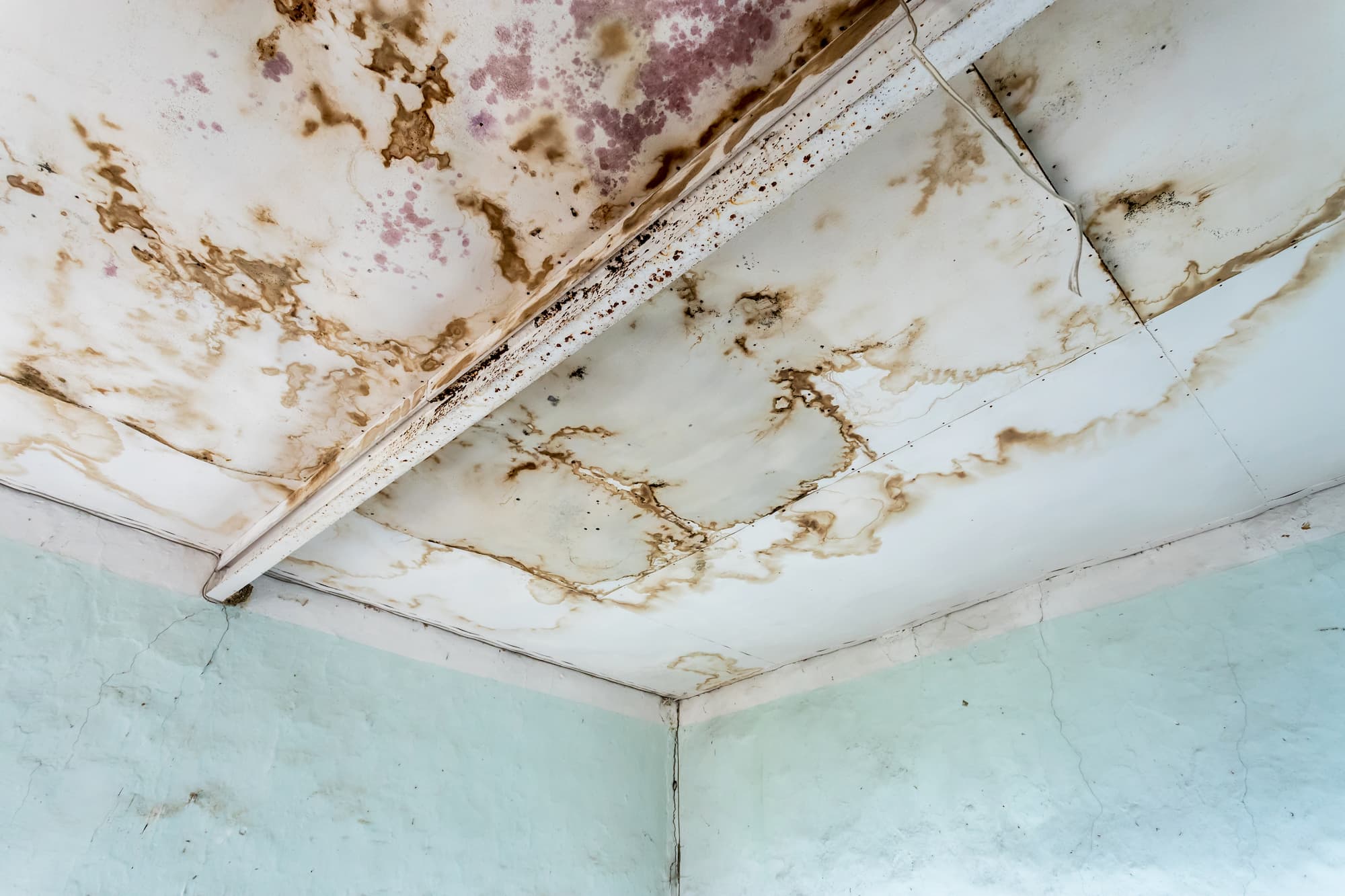
8. Watch for signs of hidden moisture after the flood
Not all flood damage is obvious on day one. In finished basements, moisture can stay trapped behind walls, under flooring, and inside insulation. That is when documentation should shift from the flood itself to possible secondary damage.
Keep an eye out for:
- Musty odours
- Swelling trim or baseboards
- Bubbling paint
- Soft drywall
- New staining
- Damp concrete or cold spots
- Warped laminate or vinyl flooring
Take dated photos of any changes. If moisture remains, mould can follow. Our blog on signs your commercial building has a hidden moisture problem is written for commercial spaces, but the warning signs are useful for residential properties too. If the basement develops persistent moisture issues, professional mould restoration may be needed.
You may also find our blog on how to spot mould in your Edmonton home before it spreads helpful when monitoring conditions after the initial cleanup.
9. Document anything that could affect future prevention
A basement flood is also an opportunity to record the factors that may have contributed to the loss. This can help with future repairs and prevention planning.
Take notes and photos of:
- Grading issues near the foundation
- Blocked or damaged downspouts
- Window well drainage problems
- Cracks in foundation walls
- Sump pit and pump condition
- Backwater valve issues
- Storage practices that made damage worse
- Previous repairs or recurring leaks
This kind of documentation is practical, not just administrative. It helps identify what needs to change so the same problem doesn’t happen again. Our article on how to prevent the hidden dangers of water damage in Edmonton covers some of the prevention steps property owners often overlook.
10. Know when documentation should stop and professional work should begin
There is a point where documenting the damage becomes less important than safely addressing it. If materials are saturated, contaminated, or starting to deteriorate, professional mitigation should not be delayed just to create a perfect record.
Call for professional help right away if:
- The water may be contaminated
- The basement has been wet for more than 24 to 48 hours
- Drywall, insulation, or flooring is soaked
- There is visible mould or a strong musty smell
- Electrical systems may be affected
- The basement is finished and moisture may be trapped behind materials
- You need emergency extraction, drying, cleanup, or rebuilding
At Grimebusters, we handle the full chain of response, from emergency cleanup to remediation and reconstruction. That means you are not left coordinating multiple companies while trying to protect your home and organize a claim.
A Practical Checklist To Follow
Here is a simple list to keep in mind after basement flooding:
- Make sure the basement is safe to enter
- Record the date, time, and likely source of water
- Take wide photos and video of the entire space
- Measure water depth and water lines
- Photograph damaged contents before moving them
- Create a room-by-room item inventory
- Document affected flooring, drywall, trim, and insulation
- Save receipts, quotes, and cleanup records
- Keep a written timeline of events and calls
- Continue documenting signs of hidden moisture after the initial cleanup
Conclusion
After a basement flood, documentation can feel like one more burden during a difficult day. But it is one of the most useful steps you can take. Clear photos, measurements, inventories, and notes make it easier to explain what happened, support your claim, and move confidently into cleanup and repairs.
At Grimebusters, we know basement flooding in Edmonton often involves more than standing water. It can lead to hidden moisture, damaged finishes, contamination concerns, and long-term repair needs if it is not handled properly. That is why we recommend documenting carefully, acting quickly, and bringing in professionals when the situation goes beyond surface cleanup.
If your basement has flooded and you need help assessing the damage, drying the space, or planning the safest next steps, contact Grimebusters. We provide written quotes, honest guidance, and 24/7 emergency support for property owners across Edmonton and surrounding communities.